
Tuckpointing vs Repointing: Understanding the Difference
When it comes to maintaining and restoring brickwork, two terms that often cause confusion are tuckpointing and repointing. While these techniques share similarities, they are distinct processes with different purposes and outcomes. As a property owner in Sydney, understanding the difference between tuckpointing and repointing is crucial for making informed decisions about your brick restoration projects.
In this comprehensive guide, we'll delve into the nuances of tuckpointing vs repointing, exploring their definitions, processes, benefits, and cost comparisons. By the end of this article, you'll have a clear understanding of which technique is best suited for your specific needs and how to choose the right professional for the job.
What is Tuckpointing?
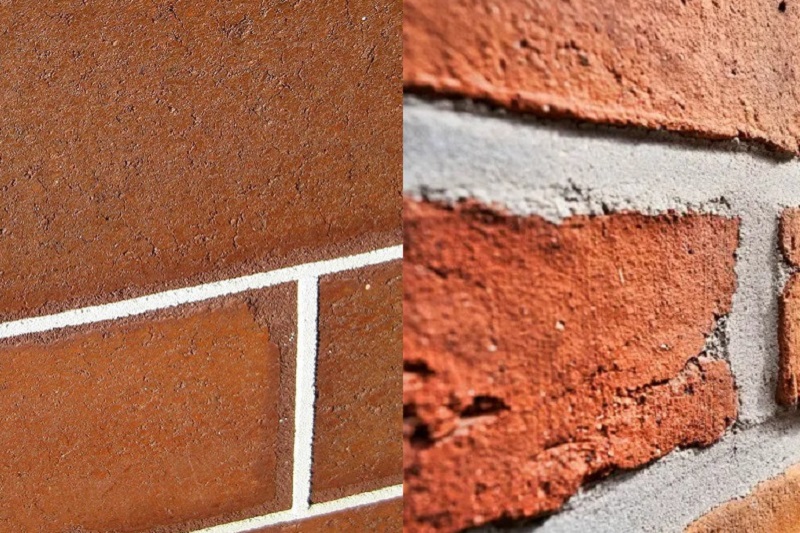
Tuckpointing is a specialised technique used to enhance the aesthetic appeal of brickwork. The process involves applying a thin layer of mortar, called a "tuckpoint," over the existing mortar joints. This tuckpoint is typically a contrasting colour to the bricks, creating a crisp, uniform appearance that mimics the look of finely cut and precisely laid bricks.
The tuckpointing process begins with grinding out a portion of the existing mortar to a uniform depth. A skilled craftsman then applies the tuckpoint mortar, which is usually coloured to match the bricks, over the recessed mortar joints. Once the tuckpoint has cured, a fine line of putty or mortar, often in a contrasting colour like white or gray, is applied down the center of the joint to create a visually striking contrast.
Tuckpointing is primarily an aesthetic treatment that can significantly enhance the curb appeal and value of a property. It is often used on heritage buildings or high-end residential and commercial properties where a pristine, uniform appearance is desired.
What is Repointing?
Repointing, on the other hand, is a remedial process that focuses on the structural integrity of brickwork. Over time, mortar joints can deteriorate due to weathering, age, or improper installation, leading to cracks, gaps, and weakened bonds between the bricks. Repointing involves removing the damaged mortar to a specified depth and replacing it with fresh, compatible mortar.
The repointing process starts with carefully removing the old, deteriorated mortar using hand tools or power grinders, ensuring not to damage the surrounding bricks. Once the joints are clean and free of debris, new mortar is mixed to match the color, texture, and strength of the original mortar as closely as possible. The mortar is then applied into the joints, filling them completely and ensuring a strong bond between the bricks.
Repointing is essential for maintaining the structural integrity of brickwork, preventing water penetration, and extending the life of the building. It is a necessary maintenance task that should be carried out regularly, especially on older properties or those exposed to harsh environmental conditions.
Tuckpointing vs Repointing: Key Differences
Now that we've defined tuckpointing and repointing, let's explore the key differences between these two techniques:
- Purpose: Tuckpointing is primarily an aesthetic treatment that enhances the appearance of brickwork, while repointing is a structural repair that addresses damaged or deteriorated mortar joints.
- Process: Tuckpointing involves applying a thin layer of contrasting mortar over the existing joints, while repointing requires removing the old mortar and replacing it with new, compatible mortar.
- Appearance: Tuckpointing creates a crisp, uniform appearance with a contrasting line down the center of the mortar joint, while repointing aims to match the colour and texture of the original mortar as closely as possible for a seamless look.
- Necessity: Tuckpointing is an optional aesthetic enhancement, while repointing is a necessary maintenance task to preserve the structural integrity and longevity of the brickwork.
- Cost: Tuckpointing is generally more labor-intensive and requires specialised skills, resulting in higher costs compared to repointing. However, the specific cost of tuckpointing vs repointing can vary depending on factors such as the size of the project, accessibility, and the condition of the brickwork.
When to Choose Tuckpointing over Repointing
While repointing is a necessary maintenance task for all brickwork, tuckpointing is a more specialised technique that may be appropriate in certain situations. Here are some scenarios where choosing tuckpointing over repointing may be beneficial:
- Aesthetic Enhancement: If your brickwork is structurally sound but lacks visual appeal, tuckpointing can provide a cost-effective way to enhance its appearance and increase the property's value.
- Heritage Buildings: Tuckpointing is often the preferred choice for heritage buildings or properties with historical significance, as it can help maintain the original character and charm of the brickwork while providing a fresh, uniform look.
- High-End Properties: For luxury homes or commercial buildings where a pristine, showcase-quality appearance is desired, tuckpointing can provide a level of refinement and elegance that sets the property apart.
- Consistent Appearance: If your property features brickwork from different periods or with varying mortar colors, tuckpointing can help create a consistent, cohesive appearance across the entire facade.
Benefits of Tuckpointing and Repointing
Both tuckpointing and repointing offer significant benefits for your brickwork, albeit in different ways. Here are some of the key advantages of each technique:
Tuckpointing Benefits:
- Enhances the aesthetic appeal and curb appeal of your property
- Creates a uniform, cohesive appearance across the brickwork
- Can increase the value of your property
- Provides a cost-effective way to refresh the look of your brickwork without major renovations
- Helps maintain the historical character and charm of heritage buildings
Repointing Benefits:
- Restores the structural integrity of your brickwork
- Prevents water penetration and moisture-related damage
- Extends the life of your brickwork and prevents costly repairs
- Improves the energy efficiency of your building by sealing gaps and cracks
- Enhances the overall appearance of your property by addressing deteriorated mortar joints
Tuckpointing vs Repointing: Process Comparison
To better understand the difference between tuckpointing and repointing, let's take a closer look at the process involved in each technique:
Tuckpointing Process:
- Preparation: The brickwork is cleaned, and any loose or damaged mortar is removed.
- Grinding: A portion of the existing mortar is ground out to a uniform depth, typically 5-10mm.
- Mortar Application: A thin layer of tuckpoint mortar, color-matched to the bricks, is applied over the recessed joints.
- Tuckpointing: Once the tuckpoint mortar has cured, a fine line of contrasting putty or mortar is applied down the center of the joint, creating a crisp, uniform appearance.
- Cleanup: Any excess mortar is removed, and the brickwork is cleaned to reveal the final result.
Repointing Process:
- Preparation: The brickwork is inspected, and any loose or damaged bricks are repaired or replaced.
- Mortar Removal: The old, deteriorated mortar is carefully removed using hand tools or power grinders to a specified depth, typically 15-25mm.
- Joint Preparation: The mortar joints are cleaned of debris and dust to ensure a strong bond with the new mortar.
- Mortar Mixing: A compatible mortar mix is prepared, matching the color, texture, and strength of the original mortar as closely as possible.
- Mortar Application: The new mortar is applied into the joints, filling them completely and ensuring a strong bond between the bricks.
- Tooling: The mortar joints are tooled to match the original profile and create a neat, uniform appearance.
- Cleanup: Any excess mortar is removed, and the brickwork is cleaned to reveal the final result.
Cost Comparison: Tuckpointing vs Repointing
When considering tuckpointing vs repointing for your Sydney property, cost is often a significant factor. While the specific prices can vary depending on the project's size, accessibility, and the brickwork's condition, here's a general cost comparison:
| Technique | Average Cost per Square Meter |
|---|---|
| Tuckpointing | $50 - $100 |
| Repointing | $30 - $80 |
As you can see, tuckpointing is generally more expensive than repointing due to the specialised skills and labor-intensive nature of the process. However, the specific cost of tuckpointing in Sydney can vary significantly based on factors such as the complexity of the project, the type of mortar used, and the experience of the tradesperson.
It's important to remember that while tuckpointing may have a higher upfront cost, it can provide significant long-term value by enhancing the appearance and curb appeal of your property. On the other hand, repointing is a necessary maintenance investment that can save you from costly structural repairs down the line.
Choosing the Right Professional for Tuckpointing and Repointing in Sydney
Whether you're considering tuckpointing or repointing for your Sydney property, choosing the right professional is crucial to ensure a high-quality, long-lasting result. Here are some factors to consider when selecting a tuckpointing or repointing specialist:
- Experience: Look for a company with extensive experience in tuckpointing and repointing, particularly with properties similar to yours in age, style, and material.
- Expertise: Choose a specialist who understands the nuances of tuckpointing vs repointing and can provide expert guidance on the best approach for your specific needs.
- Quality Workmanship: Ensure the company has a proven track record of delivering high-quality workmanship, with a portfolio of successful projects and positive customer reviews.
- Attention to Detail: Tuckpointing and repointing require meticulous attention to detail to achieve a seamless, long-lasting result. Look for a provider who demonstrates a commitment to precision and craftsmanship.
- Transparent Pricing: Choose a company that provides clear, itemised quotes with no hidden fees, allowing you to make an informed decision based on your budget and priorities.
At Astute Tuckpointing, we pride ourselves on being Sydney's leading experts in tuckpointing and repointing services. With over a decade of experience and a team of highly skilled professionals, we have the knowledge and expertise to help you navigate the complexities of tuckpointing vs repointing and deliver exceptional results that stand the test of time.
Tuckpointing vs Repointing: Case Studies in Sydney
To better illustrate the difference between tuckpointing and repointing, let's explore some real-world case studies from our projects in Sydney:
Case Study 1: Heritage Terrace House in Paddington
- Challenge: The client wanted to restore the original charm and character of their Victorian-era terrace house, which had suffered from years of neglect and deterioration.
- Solution: Our team performed a combination of tuckpointing and repointing to address both the aesthetic and structural issues. We carefully removed the old, mismatched mortar and replaced it with a compatible lime-based mix, tuckpointing the facade to create a crisp, period-appropriate appearance.
- Result: The terrace house was transformed, with the brickwork looking as stunning as the day it was built. The client was thrilled with the result, which not only enhanced the property's curb appeal but also increased its value.
Case Study 2: Commercial Building in Sydney CBD
- Challenge: The multi-story commercial building had suffered from significant mortar deterioration, leading to water penetration and potential structural issues.
- Solution: Our team performed a comprehensive repointing of the affected areas, carefully removing the damaged mortar and replacing it with a high-strength, weather-resistant mix. We worked efficiently to minimise disruption to the building's tenants and ensure a seamless, long-lasting result.
- Result: The repointing work not only resolved the water penetration issues but also improved the overall appearance of the building, contributing to its long-term value and marketability.
These case studies demonstrate the practical applications of tuckpointing vs repointing and highlight the importance of choosing the right approach for your specific needs and goals.
Frequently Asked Questions
Conclusion
Understanding the difference between tuckpointing and repointing is essential for making informed decisions about your brick restoration projects in Sydney. While both techniques play a crucial role in maintaining and enhancing brickwork, they serve distinct purposes and offer unique benefits.
Tuckpointing is an aesthetic treatment that can elevate the appearance and curb appeal of your property, while repointing is a necessary structural repair that ensures the longevity and integrity of your brickwork. By choosing the right approach and working with experienced professionals like Astute Tuckpointing, you can protect your investment and enjoy beautiful, long-lasting results.
If you're considering tuckpointing or repointing for your Sydney property, our team of experts is here to help. With over a decade of experience and a commitment to quality craftsmanship, we can guide you through the process and deliver exceptional results that exceed your expectations. Contact us today to schedule a consultation and learn more about how we can transform your brickwork.
Contact Us