Tuckpointing, repointing and brick repairs across Sydney

Mon–Fri 7am–5pm · Sat 9am–3pmastutetp@gmail.com

Cement & acrylic render · Sydney

Rendering and render repairs Sydney

Cement and acrylic render on brick walls, fences and whole houses, repairs to cracked and drummy render, and failed render taken back to brick or sandstone where the wall suits it.

Typical price$40–$80 per m² for cement render, GST included. What sets it

NSW licenceContractor licence 146681C, Wet Plasterer class. Check it on Verify NSW

  • 15+ years in tuckpointing
  • Free inspection and quote
  • No minimum job size
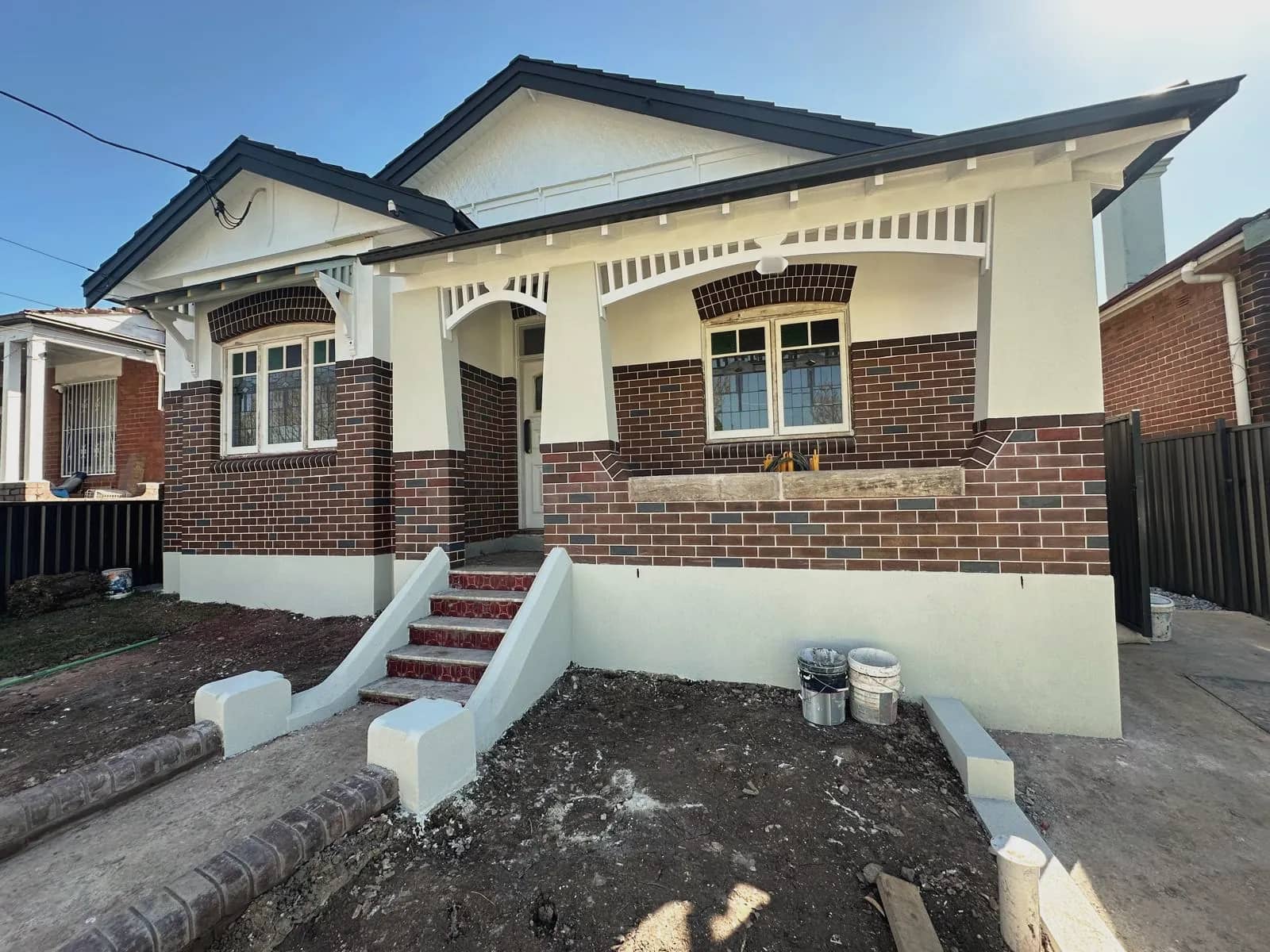
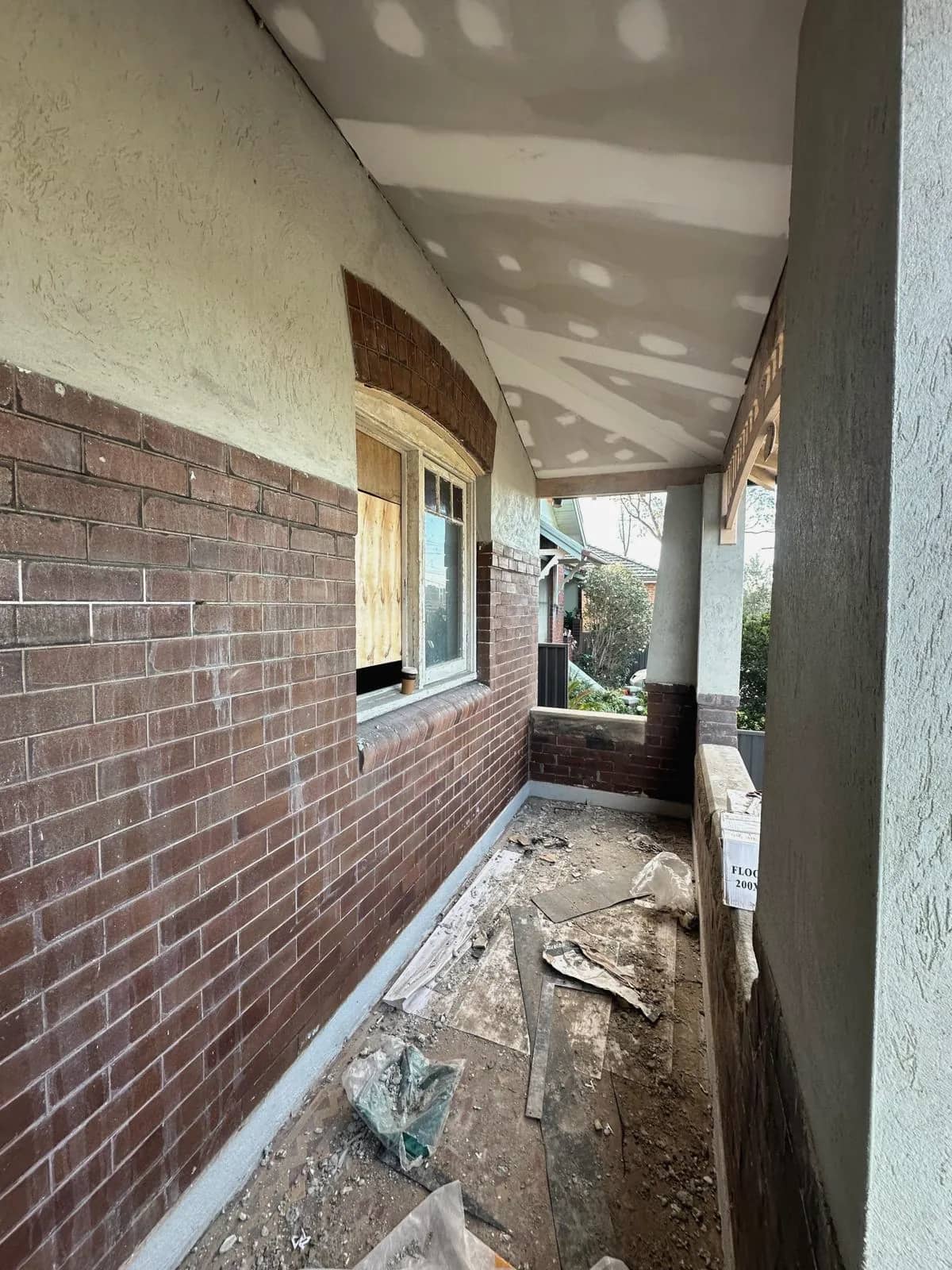
Bungalow front with tuckpointed brick between a rendered base and rendered upper walls
Our workRendered walls around a tuckpointed front, Croydon

Render work we take on

New render or a repair. Both start with the wall.

Render is a sand and cement coat applied over brick to protect the wall and give it an even finish for paint. We apply traditional cement render and acrylic render, a cement-based render with acrylic in the mix, to brick walls, front fences, piers and whole houses, and repair render that has cracked, lifted or gone drummy on older homes.

Render needs a sound, clean wall to hold on to, so loose bricks, failed joints and damp are dealt with first. On a repair, the first step is finding why the render failed: moisture behind it, movement in the wall or an unsuitable earlier patch. Covering the surface alone won’t fix an ongoing cause.

Recognise your wall? Send us a photo
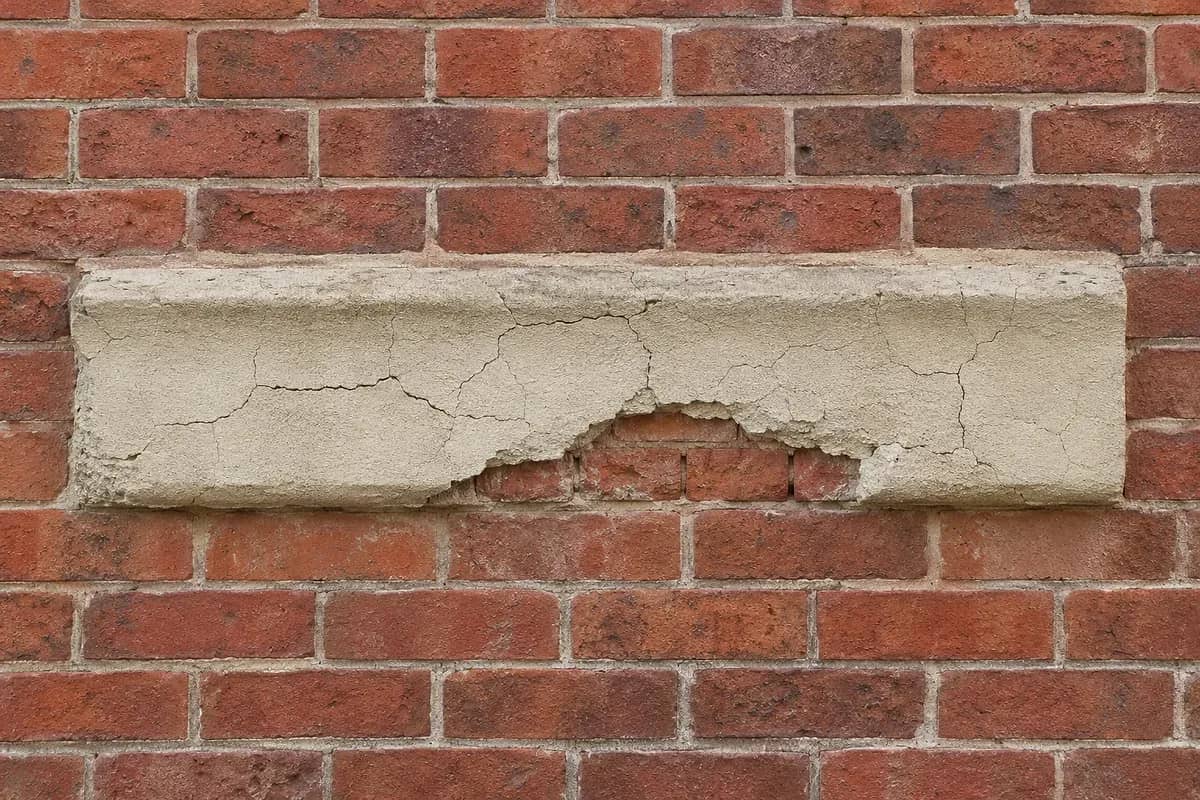
Cracked render coming away from the brick underneath

Render work we take on

  1. Cement renderingBrick walls, front fences and piers prepared, keyed and cement rendered, finished ready for the paint or coating that goes over it.
  2. Acrylic renderCement-based render with acrylic added, which helps it grip the brick and flex a little, applied in coats and finished smooth or textured, ready for paint.
  3. Whole-house renderingEvery outside wall of a brick house rendered, or old render that has failed across the house taken off and done again, worked wall by wall around windows, sills and corners.
  4. Render repairsCracked and drummy areas on older homes and fences cut back to sound edges and patched to the profile and texture of the render around them.
  5. Render removalFailed render taken off where the brick or sandstone underneath can be repaired, cleaned and repointed as exposed masonry.
  6. Heads & sillsRendered window heads and sills formed or made good after brick or lintel repairs, with the edges and profile part of the finish.

Our work · Balmain

Render off. Sandstone back.

Failed render was removed, then the exposed sandstone was cleaned and repointed. These photographs show the whole restoration.

Removal is one option, not an automatic improvement. The concealed masonry and the job the render does need assessing before a wall is left exposed.

See the Balmain photographs
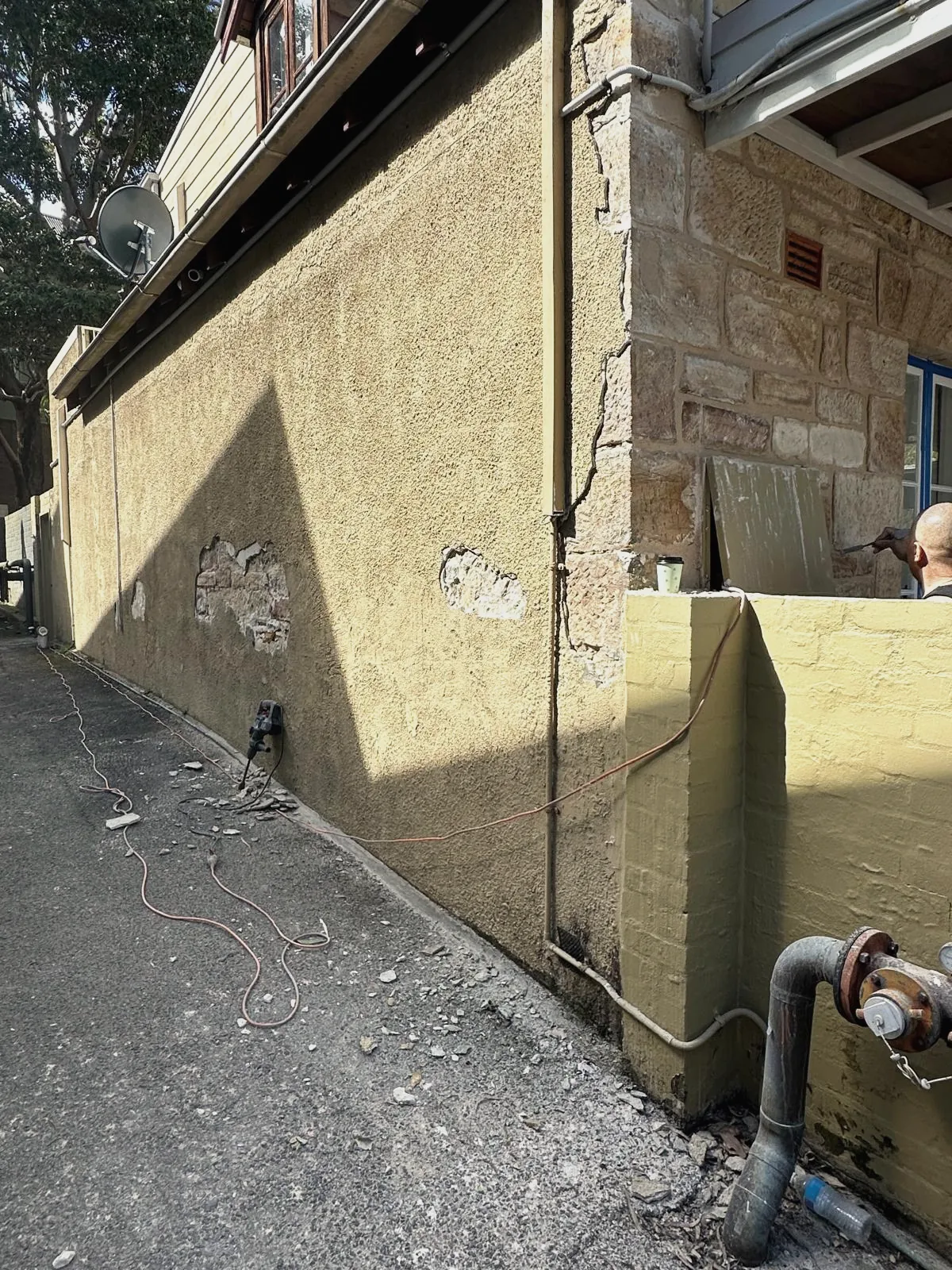
The same wall before the work, covered in cracked and patched renderBefore
Before: the rendered wall, Balmain
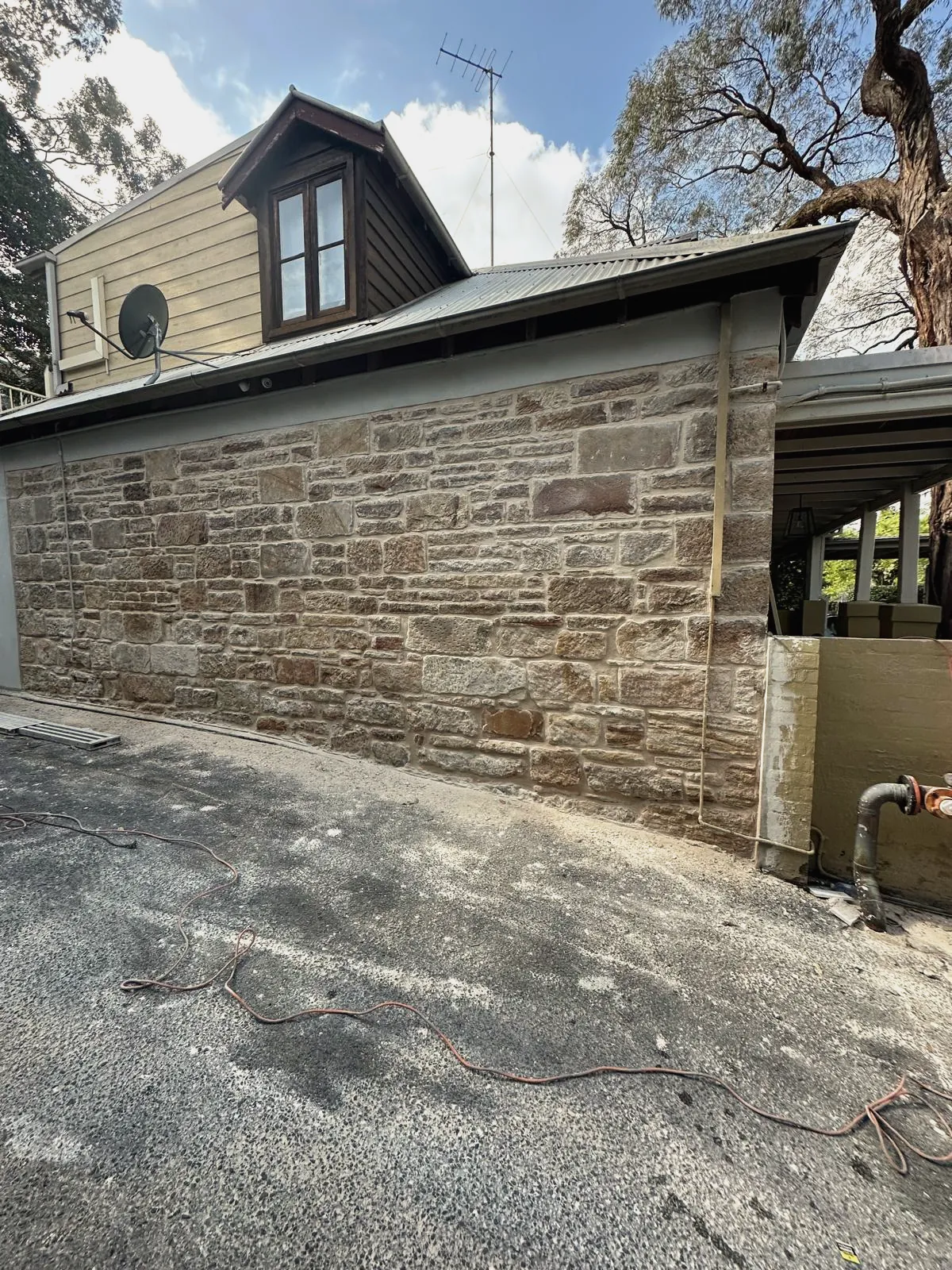
Long sandstone wall of a cottage, cleaned and pointed, beside a lanewayAfter
After: the sandstone wall with its render removed, Balmain

Photo 1 of 2

Where
Balmain
Work
Rendering, Brick repointing, Brick cleaning

How it’s done

Render that holds to the wall.

New render and a lasting repair both start with sound backing and a suitable material. The age of the masonry, any render around it and the finish shape the approach.

Rebuilt brick wall with rendered heads over a window and a door

Photo 1 of 1

Rendered heads and rebuilt brickwork, Hurlstone Park.
  1. Assess the wall

    Check the brickwork, any loose render and damp, and any cause that needs attention first. Agree the area, finish and access before starting.

  2. Prepare the surface

    Clean and key bare brick, or remove failed render back to a firm surface and sound edges, protecting windows, paths and gardens around the work.

  3. Render and finish

    Apply the render in coats to the right thickness, profile and texture, giving it the curing and protection it needs. Discuss the paint or coating that follows.

Texture, edges and the final finish

  • Texture, edges and colour

    We work towards the surrounding texture and profile. Weathering and paint variation mean an invisible patch cannot be promised; we discuss how the repair meets sills, corners and details.

  • Plan the final finish

    A painted wall may need repainting to a natural break. New render needs drying and curing before coating; confirm what finishing or painting the quote includes.

  • Brick homes, walls and fences

    We cement render brick walls, fences and piers, and patch render on older homes, including heads and sills made good after brick or lintel repairs.

See the Hurlstone Park repair

Cement or acrylic render?

Cement or acrylic. Chosen for the wall.

Both are cement-based renders applied over brick in coats, and both are painted or coated afterwards. The difference is what goes into the mix, how it behaves on the wall and the finish it takes.

The traditional render

Cement render

The mix
Sand and cement, often with lime, mixed on site and built up in coats.
How it behaves
Hard and durable once cured, and the familiar render on Sydney brick homes, fences and piers.
Suits
Patches and repairs to existing cement render, and new render where a plain, solid finish is wanted.

Typical price$40–$80 per m²GST included

With acrylic in the mix

Acrylic render

The mix
A cement-based render with acrylic polymers added, usually supplied as a prepared product.
How it behaves
The acrylic helps it grip the brick and flex a little, which can reduce fine cracking.
Suits
New render over brick, whole houses and finer or textured finishes under a paint or coating.

Typical price$45–$80 per m²GST included

Acrylic render usually costs a little more per square metre. On an older home with lime mortar or existing cement render, the render has to suit the wall underneath, so we look at the brick and any render already there before recommending one.

NSW Government: wet plastering licences (opens in a new tab)

Typical prices

Plan the render work.

New render is priced mostly by the area of wall, a whole house by its walls, height and openings, and a repair by how far the loose render extends. The backing, the finish and access all affect the quote, and any masonry problem is addressed before the render goes on.

Typical pricesGST included

What rendering usually costs

Cement rendering a brick wall$40–$80 per m²Includes preparing and keying the wall, cement render applied in coats and a finish ready for paint. Not included: painting or a coloured coating, repairing loose bricks or joints first and scaffolding above single storey.
Patching cracked or drummy render$300–$900 for the jobIncludes cutting back to sound edges and patching to the surrounding profile and texture. Not included: repainting, fixing the cause, such as damp or movement and scaffolding above single storey.
Acrylic rendering a brick wall$45–$80 per m²Includes preparing and keying the wall, cement-based acrylic render applied in coats and a finish ready for paint or a coating. Not included: painting or a coloured coating, repairing loose bricks or joints first and scaffolding above single storey.
Re-rendering a single-storey brick house$9,000–$21,000 for the jobIncludes the outside walls of a typical single-storey house, preparing the walls, or taking failed render back first and render applied in coats, ready for paint. Not included: painting or a coloured coating, brick, lintel or damp repairs found under the old render and scaffolding on two storeys.

Prices include GST. Your quote follows a free inspection and a written scope for your wall.

Get a free quote

What shapes the quote

  1. Area and extent

    The square metres to render, the walls of the whole house, or how far a repair extends beyond the visible crack to where the render is still firmly bonded.

  2. Condition underneath

    Damp, damaged masonry and earlier repairs may need attention before new render goes on.

  3. Texture and detail

    A flat wall, a shaped sill and a window head involve different finishing work. Existing paint affects the look.

  4. Height and access

    Room to work, neighbouring surfaces to protect, whether the area can be reached safely and scaffolding on two storeys.

Questions

Rendering questions.

All our questions answered
  1. How much does rendering cost in Sydney?

    Cement rendering a brick wall typically costs $40–$80 per m² and acrylic render $45–$80 per m², GST included, and patching a cracked or drummy area is typically $300–$900 for the job. The area, the height and access, how much preparation the wall needs and the finish all move the price. Painting is usually separate. Every job is quoted after a free inspection, with no minimum job size.

  2. Cement render or acrylic render: which is better?

    Neither suits every wall. Traditional cement render is sand and cement, often with lime, mixed on site and applied in coats. Acrylic render is also cement-based, with acrylic added to the mix, which helps it grip and flex a little and suits a finer or textured finish. Both need sound brick underneath and a paint or coating over the top. We recommend one once we have seen the wall, its age and the finish you want.

  3. How much does it cost to render a whole house?

    Rendering or re-rendering a typical single-storey brick house is typically $9,000–$21,000 for the job, GST included. Two storeys need scaffolding and cost more. Old render that has to come off first, and any brick, lintel or damp repairs found underneath, add to the work. Painting is usually separate. We quote after a free inspection of the whole house.

  4. Does old render have to come off before re-rendering?

    Not always. Render that is sound and still firmly bonded can sometimes be prepared and rendered or coated over. Drummy, cracked or crumbling render has to come off back to firm brick, and the brickwork underneath is checked before new render goes on. The inspection finds how much has let go before we quote.

  5. Is acrylic render the same as a texture coating?

    No. Acrylic render is a cement-based render that builds up and evens out the wall. A texture coating is a thin acrylic finish rolled or trowelled over render or brick, closer to a paint. We apply the render; the paint or coating over it is usually separate, so ask what the quote includes.

  6. Can you render over an old brick house?

    Usually, once the brick is sound and clean. Loose or crumbling bricks, failed joints and damp are fixed first, and painted brick needs preparing so the render holds. On a heritage home or in a conservation area, check with the council first: rendering face brick that has never been rendered changes how the house looks and may not be allowed.

  7. How do you repair cracks in render?

    A fine surface crack can be cut out and filled. Where the render has gone drummy or the crack runs through to the wall, the loose render comes off back to sound edges and the area is rendered again to match. If the same crack keeps coming back, the wall may be moving or damp, and that cause needs attention before the patch will last.

  8. What does drummy render mean?

    Drummy describes a hollow sound where render has lost its bond with the wall. The affected area may extend beyond the visible crack or loose edge. An inspection establishes how much needs to come away; avoid tapping or pulling at loose render yourself, especially overhead.

  9. Can you repair a small patch or a rendered brick fence?

    Yes. We patch local areas on brick homes and fences, with no minimum job size. Send a wider photo of the wall and a close-up of the damage, along with your suburb. The condition around the visible patch helps determine the extent of the repair.

  10. Will the new patch match the old render?

    We work towards the surrounding texture and profile, using a repair suited to the existing wall. Weathering, old paint and previous patches can make an exact visual match difficult. On a painted wall, repainting to a natural break may help the finished area look consistent; confirm the finishing scope when the work is quoted.

  11. When can new render be painted?

    New render and patches need time to dry and cure before a compatible coating goes on, and that time depends on the render, the weather and the coating. Ask what finishing or painting the quote includes and when the wall will be ready; one fixed waiting period does not suit every render and paint.

  12. Is removing the render better than patching it?

    Not necessarily. Sound render can be worth keeping, particularly where it is part of an older home’s original finish. Removal depends on its condition, the masonry beneath and the finish you want. Concealed brick or stone may need further repair, cleaning and repointing, and may not be suitable to leave exposed.

  13. Is rendering licensed work in NSW?

    Rendering is wet plastering, whether the render is cement or cement-based acrylic. In NSW, residential building work over $5,000 needs a contractor licence with the right class. Our work is done under NSW contractor licence 146681C, Wet Plasterer class, and you can check it on the NSW Government’s Verify NSW licence register.

  14. Why do quotes for the same wall differ, and how do I compare them?

    Quotes can cover different work. One may rake out only the loosest mortar while another takes every joint back to a sound depth, and the mortar mix, how the finish is matched, access and scaffolding, and cleaning down all change the price. Compare quotes on the same area and finish, and ask each what is included and what is not. Any scaffolding your job needs is included in our quote.

  15. How soon can you start, and how long will the work take?

    We start as soon as we can once you accept the quote. As a guide, a small repair, a single lintel or most crack stitching takes a day or two, repointing a brick front fence one to two days, and tuckpointing a single-storey brick front about a week. Larger or higher walls, scaffolding and wet weather add time. Tell us about any renovation deadline when you enquire and your quote will give a realistic start date and duration.

  16. Does a heritage-listed home need approval for brickwork repairs?

    Check the listing and the proposed work before starting. For a local heritage item or conservation area, ask your council about approval or a maintenance exemption. State Heritage Register properties also have Heritage NSW requirements. Like-for-like work is not automatically exempt; the relevant conditions still need to be met.

Related services

Where we work

Rendering across Sydney

We work across the five regions below. Find service information, project examples and local heritage guidance for your area.

Find your suburb

What happens next

From your call to a finished wall.

The inspection and quote are free, and nothing is booked until you’ve said yes to the quote.

  1. Get in touch

    Call us, or send the form with your suburb and a few photos of the wall if you have them. We’ll call you back as soon as we can.

  2. A look at the wall

    We look at your photos, and come out to inspect where the wall needs a closer look.

  3. Your quote

    We explain the work, what the quote covers and the finish you’ll get, so you can decide.

  4. We book the work

    Once you accept, we start as soon as we can and arrange any scaffolding the job needs. Most jobs take from a day or two to about a week, depending on the size of the wall and the weather. You don’t need to be home while we work.

  5. Cleaned down

    Mortar smears and dust are cleaned off the wall as we go, so it’s left clean for you to check against the quote.

Free inspection & quote

Show us the wall to render or repair.

Tell us the suburb and what you need: new cement or acrylic render on a wall, fence or whole house, or render that has cracked or come loose. For a repair, mention when the damage appeared, any damp after rain and previous repairs.

0402 133 821Monday to Friday, 7am to 5pm · Saturday, 9am to 3pm · Sunday closedastutetp@gmail.com

Sending photos? Take photographs from a safe position; do not pull at loose render or climb to reach it.

01The whole wall or fence
02The crack, loose edge or patch

Request a free quote

Phone and email are both needed so we can reach you.
Your contact details and suburb
The brickwork

A short description is fine. Tell us what needs attention and where on the property.

A whole-wall photo and a close-up of the problem are useful. Take them from a safe position.

Up to 5 photos · JPG, PNG, WebP, GIF, HEIC, or HEIF · 4 MB total after resizing.