Tuckpointing, repointing and brick repairs across Sydney

Mon–Fri 7am–5pm · Sat 9am–3pmastutetp@gmail.com

Mortar joints · Sydney

Brick repointing Sydney

We remove worn, crumbling mortar and renew the joints in a mix that suits your brickwork. Repointing for Sydney homes, fences, piers and chimneys.

Typical price$60–$100 per m² in cement mortar, GST included. What sets it

  • 15+ years in tuckpointing
  • Free inspection and quote
  • No minimum job size
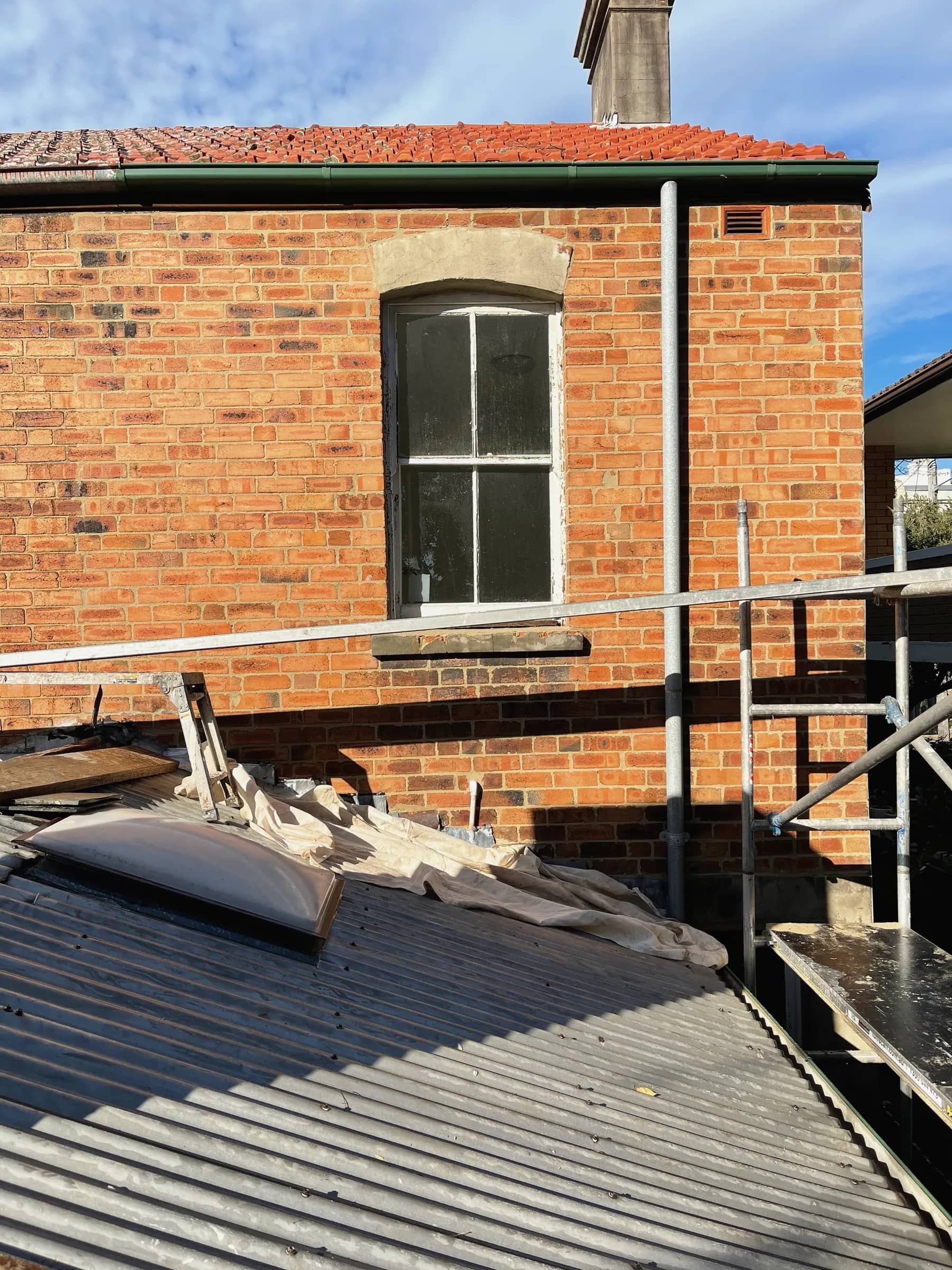
Repointed brickwork around an upper window, with scaffolding still in place
Our workRepointed brickwork, with the scaffolding still in place

Why mortar fails

Renew the joints. Keep the brick.

Repointing, also called brick pointing, replaces the worn outer mortar in a brick wall. Over time, weather and movement can leave joints sandy, recessed or open, allowing water in. Sound mortar is retained; failed mortar is removed and the joints filled again.

We repoint house walls, front fences, gate piers and chimneys, from a small worn section to a whole façade.

Recognise your wall? Send us a photo
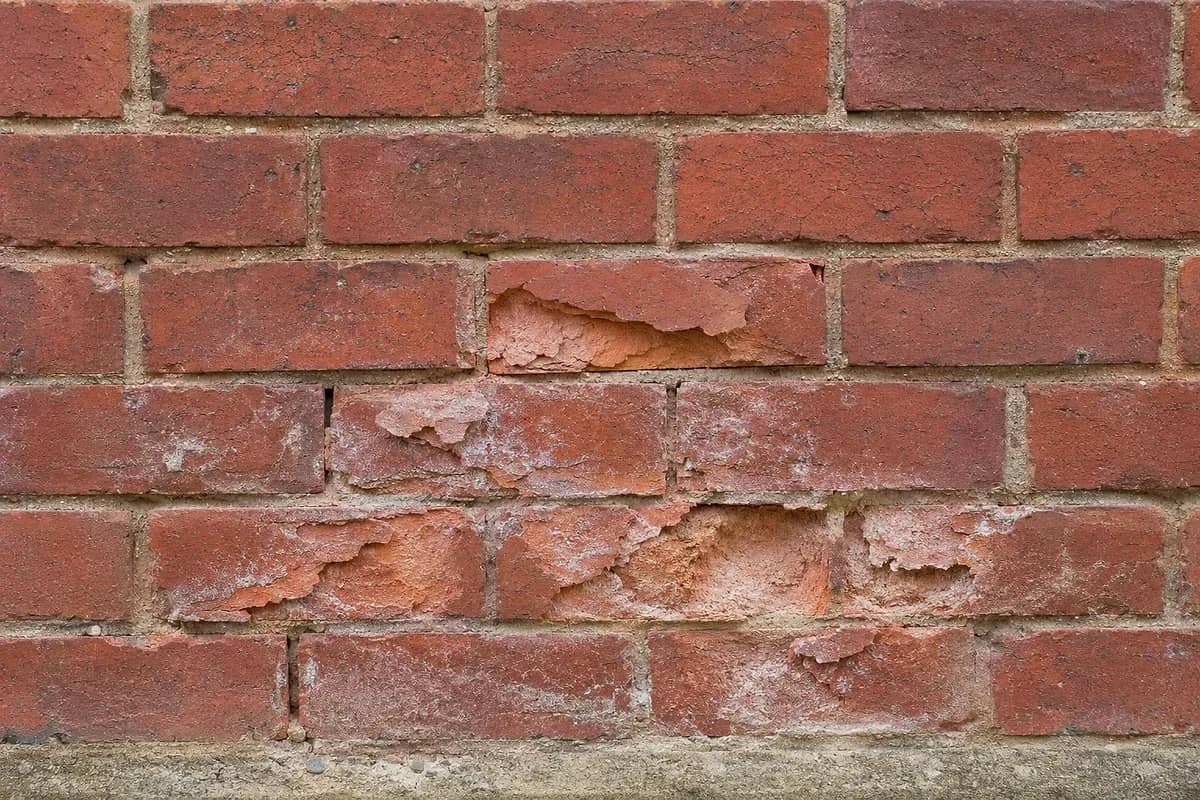
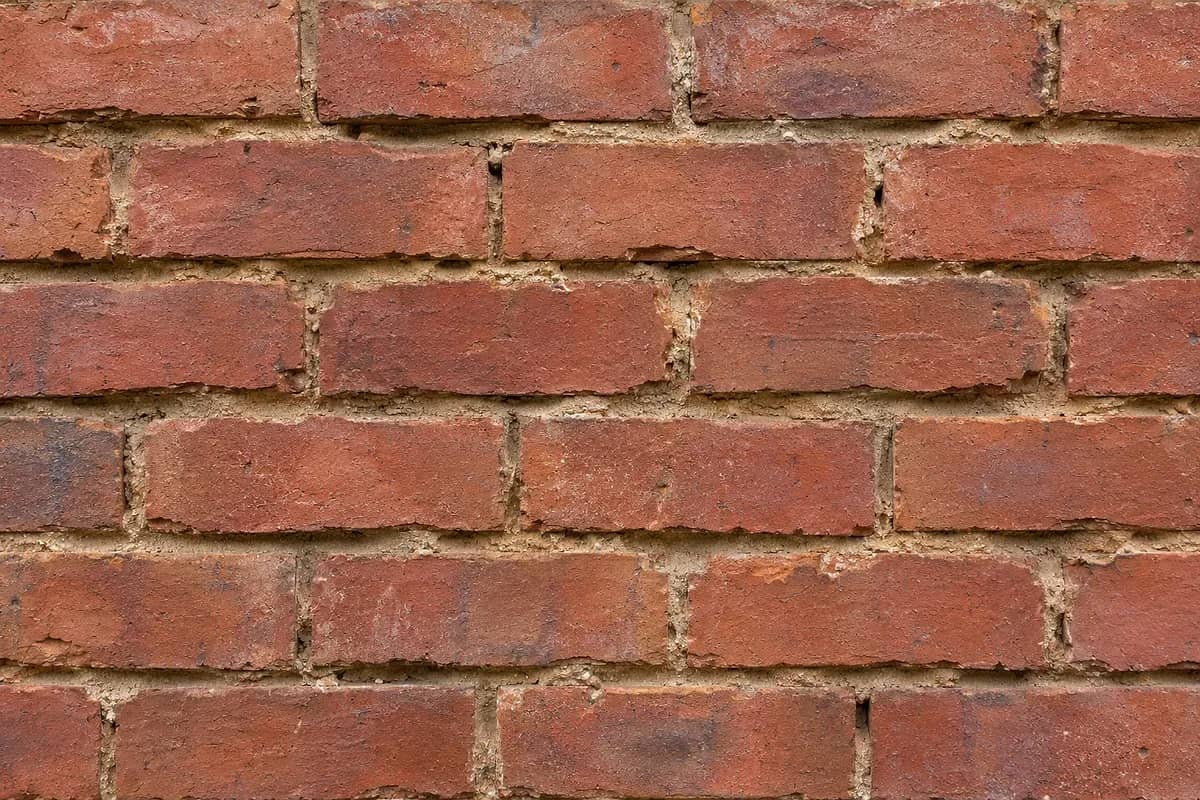
Sandy, eroded mortar joints sitting deep behind the brick face

Signs the joints need a closer look

  1. Sandy mortarMortar that comes away easily from the joint, or that you can scrape out with a key.
  2. Open jointsJoints recessed well behind the face of the brick, where rain sits.
  3. Damp insideDamp patches on the inside of the wall.
  4. Plants in the wallPlants or moss growing out of the joints.

Damp and cracking can have other causes. We assess the wall before recommending a repair.

Our work · Repointing

The original bricks. Renewed joints.

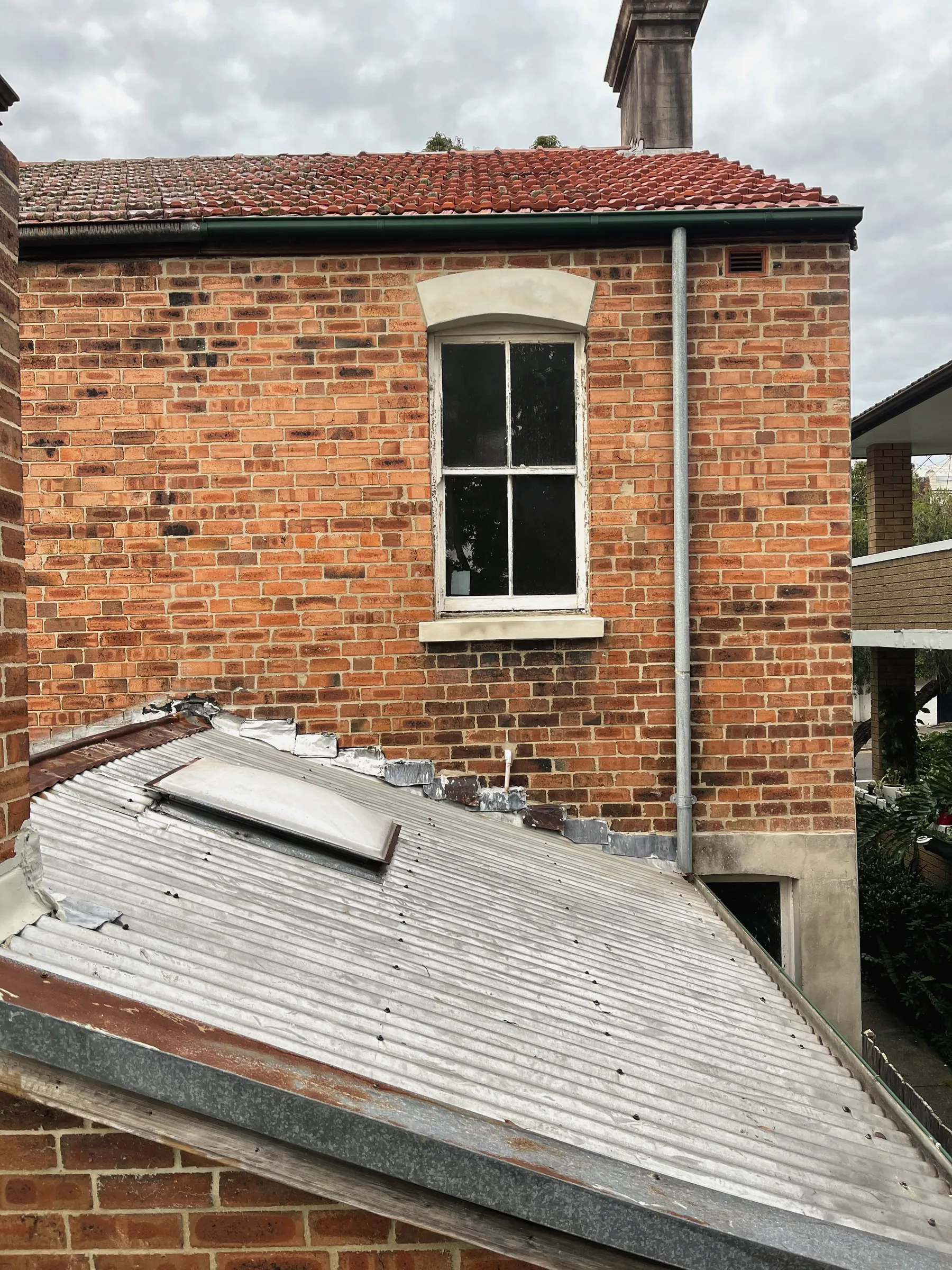
The recessed joints around this window have been repointed. The original brick faces remain, with the new mortar forming the finished joints. No decorative tuck line has been added.

Tuckpointing over renewed joints: Mosman
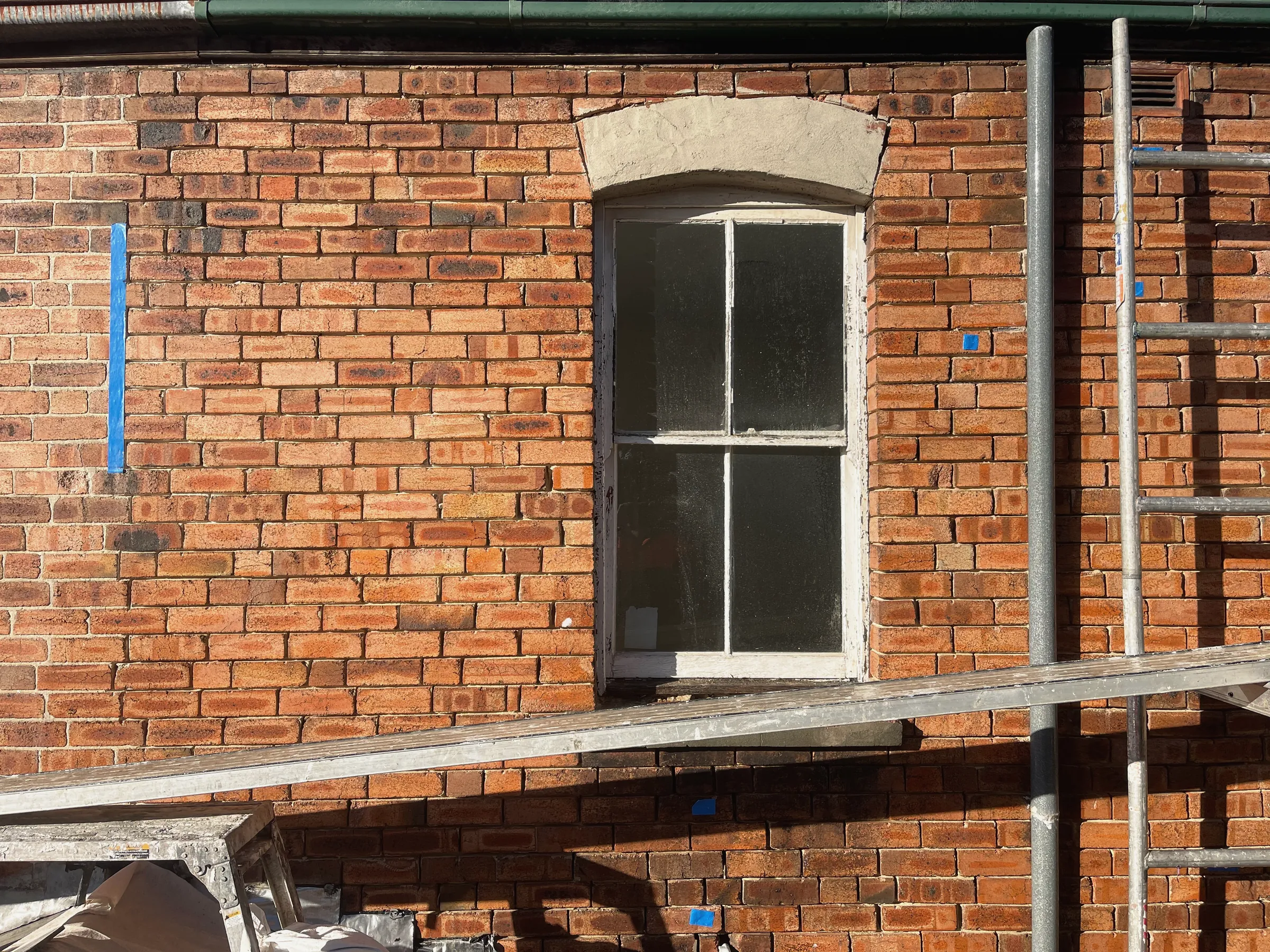
Recessed mortar joints around an upper window before repointing, with scaffolding in placeBefore
Before: worn mortar joints around the window
The same brick wall after repointing, with renewed mortar joints around the original windowAfter
After: renewed mortar joints around the same window

Photo 1 of 2

Photographed on one of our own jobs.

How it’s done

Prepared with care. Repointed to match.

Failed mortar is removed carefully. The new mix, colour and joint profile are chosen to suit the brickwork already there.

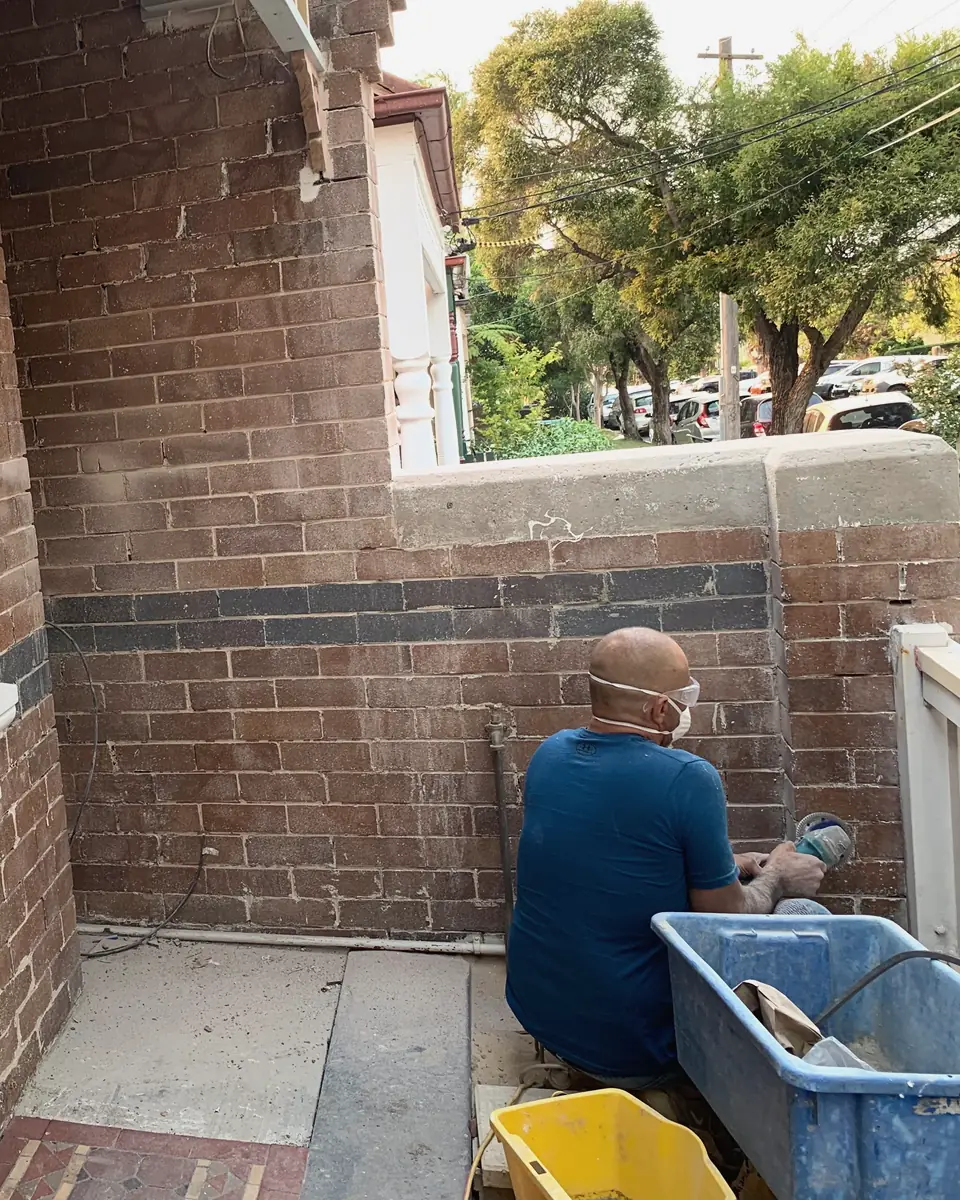
A tradesman in a dust mask raking out the old mortar joints of a brick verandah wall with a grinder

Photo 1 of 1

Raking out old mortar joints on one of our jobs.
  1. Looking at the wall

    From your photos, and in person if the job needs a closer look, we check how deep the damage goes, the brick and the existing mortar, and whether any bricks need replacing first.

  2. Prepare the wall

    Failed mortar is raked back to a sound depth by hand or with a fine cutter, taking care not to widen the joints or chip the bricks. The joints are cleaned of dust and dampened for the new mortar.

  3. Repoint and finish

    Mortar is packed in, finished to the profile and the wall cleaned down.

Matching the joints to the wall

  • Compatible mortar

    We assess the existing brick and mortar before choosing a compatible mix: lime or cement, as the next section explains.

  • Colour that belongs

    The new mortar is coloured to suit the wall, especially where a repaired section meets older joints.

  • The original profile

    Joints can be flush with the brick, sloped to shed water (weatherstruck), curved inwards (ironed), or prepared for a decorative tuck line. The existing wall guides the finish.

Joint profiles

Same wall. Four joint finishes.

Low sun across a wall shows the shape of every joint. Choose a profile and move the light to see how each one catches it.

Joint profile
Drawn close up. Move across the wall to shift the light. New joints are finished to the profile your wall already has.

Lime or cement mortar?

Lime or cement. Chosen for the wall.

Lime was the main binder in Australian mortar until the middle of the twentieth century; cement mortars took over after that. A repair mortar should suit the wall it goes into, and on a wall first built with lime mortar, that usually means lime again.

For older, softer brickwork

Lime mortar

Found in
Walls originally built with lime mortar, typically before the mid-twentieth century: many Federation and inter-war Sydney homes.
How it behaves
Softer, more flexible and more permeable than cement. Moisture can dry out through the joints.
Why it matters
The joints take the weathering and movement instead of the bricks, and can be renewed again later.

Typical price$80–$130 per m²GST included
For newer, harder brickwork

Cement mortar

Found in
Walls built with cement or cement-and-lime mortar, which became common after the Second World War.
How it behaves
Stronger, stiffer and less permeable than lime.
On an older wall
Pushed into soft lime-mortar brickwork, hard cement can force moisture, salt and movement into the bricks, so their faces crack and crumble.

Typical price$60–$100 per m²GST included

Repointing in lime is priced higher than in cement. Some newer walls also suit a lime-based mix, for example where salt or damp needs to dry out through the joints. We assess the existing brick and mortar before choosing.

Heritage Council of Victoria: repointing older buildings (opens in a new tab)

Sandstone repointing

Sandstone too. Pointed to suit the stone.

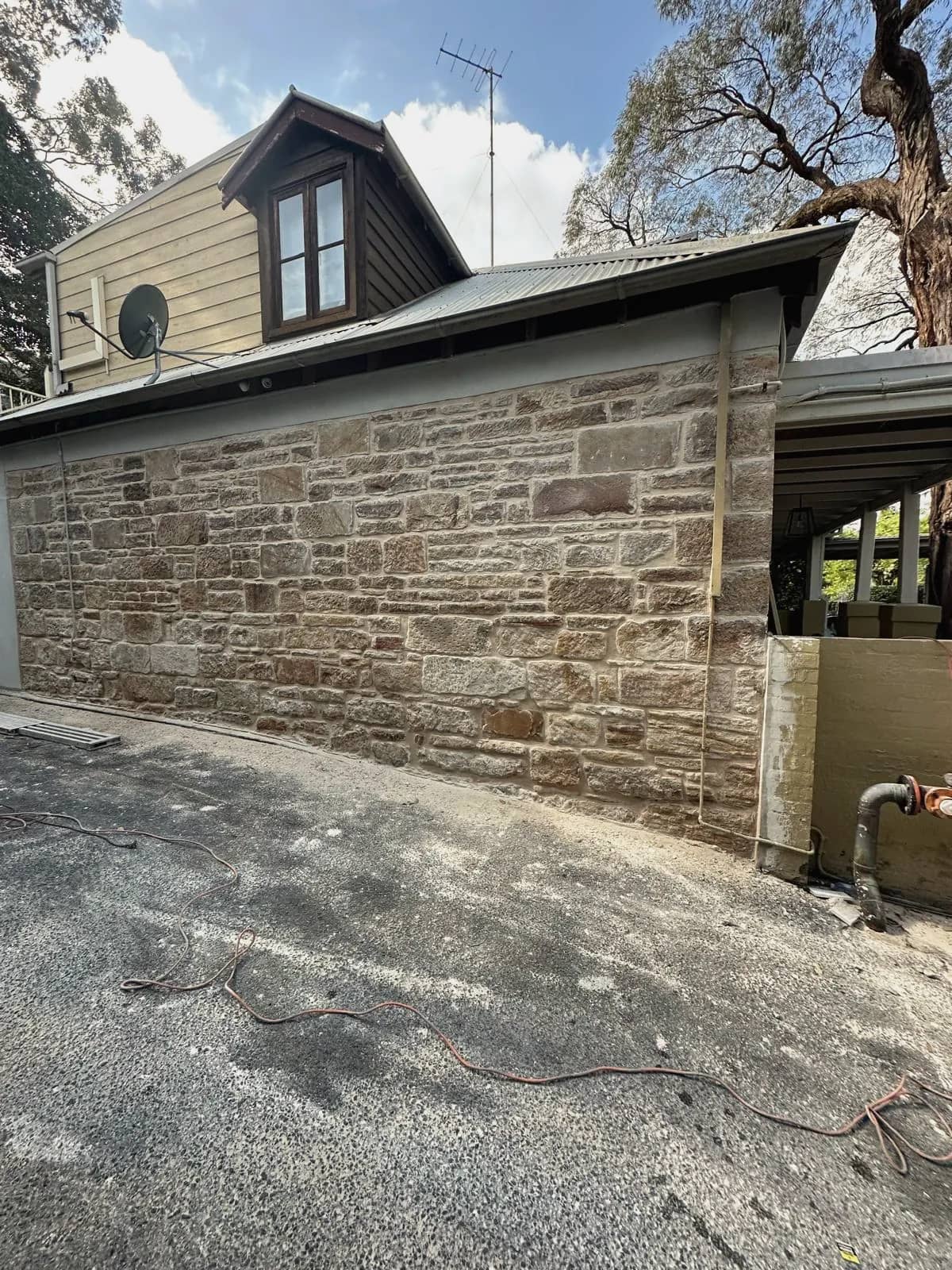
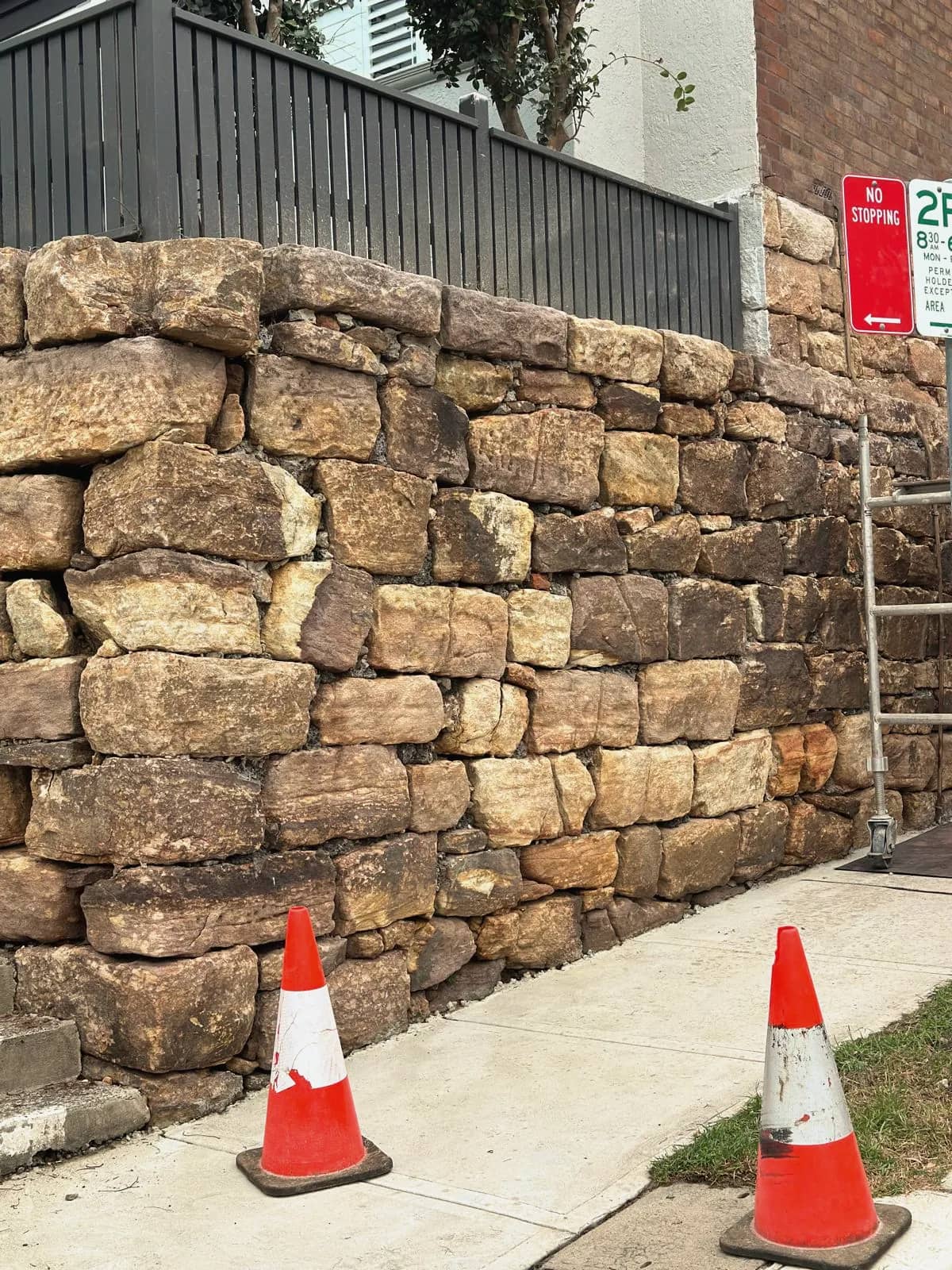
Plenty of Sydney homes sit on a sandstone base, and older streets are lined with sandstone front and retaining walls. Their joints weather like brickwork does, and the same rule applies: the mortar should be weaker and more permeable than the stone around it, so the joints wear rather than the stone.

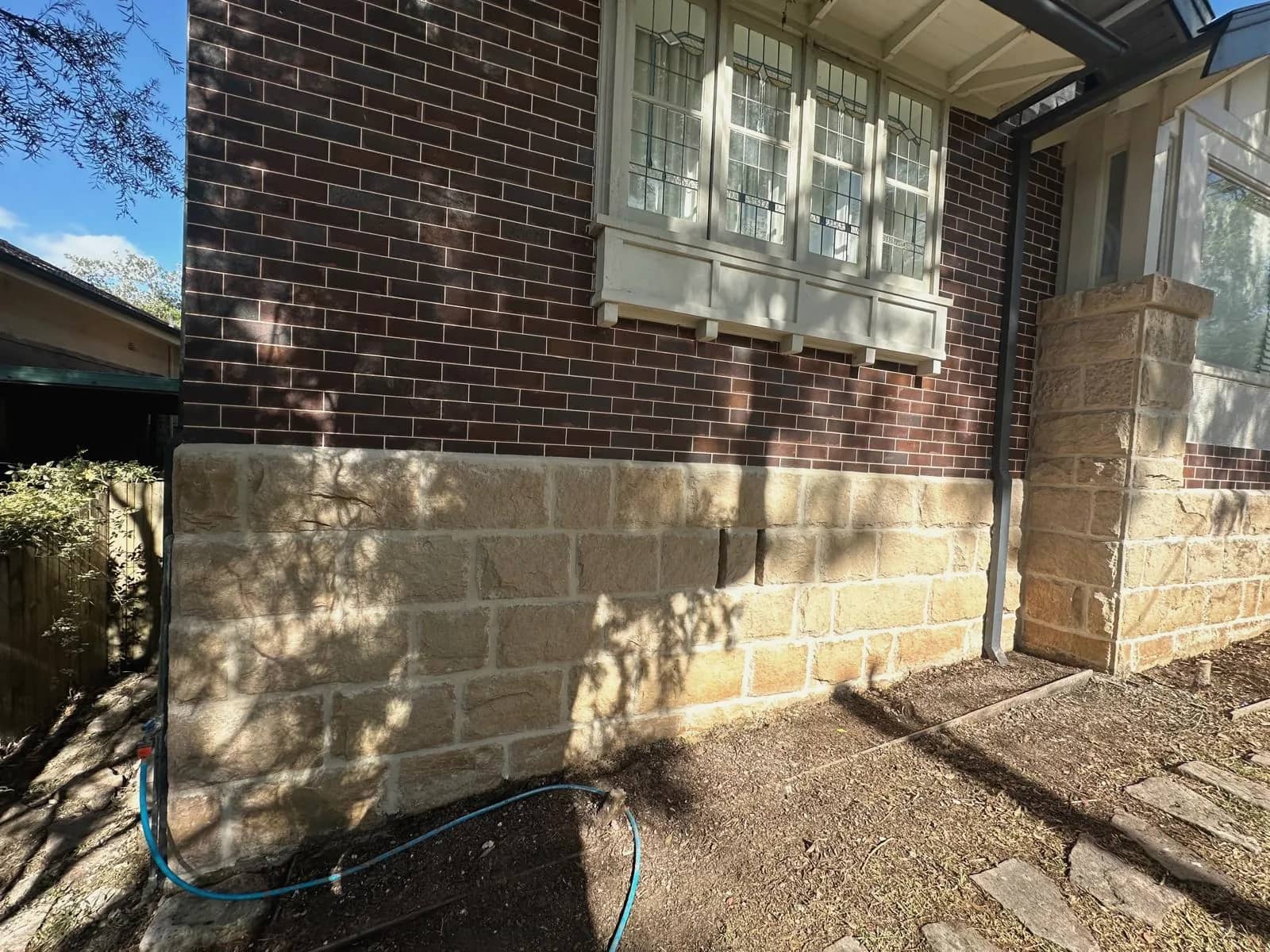
We repoint sandstone as well as brick. These three jobs are ours: a rubble street wall in Cammeray, a bungalow’s base in Artarmon and a cottage wall in Balmain that had been hidden under failed render.

  • Sandstone bases

    The stone courses under a brick house, which can be pointed and cleaned alongside the brickwork above.

  • Front and retaining walls

    Rubble and block sandstone walls along a street or a garden.

  • Stone under render

    Sandstone uncovered when old, failed render comes off, then cleaned and pointed.

Typical prices

Repointing pricing.

A small section or a whole wall: the right scope depends on the condition of the joints, access and the finish you want.

Tuckpointing and repointing cost in Sydney
Typical pricesGST included

What brick repointing usually costs

Repointing in cement mortar$60–$100 per m²Includes raking out, repointing to the existing profile and cleaning down. Not included: scaffolding above single storey and replacing damaged bricks.
Repointing in lime mortar$80–$130 per m²Includes raking out, lime mortar matched to the wall and cleaning down. Not included: scaffolding above single storey and replacing damaged bricks.
A brick front fence, about 15 m², repointed$900–$1,500 for the jobIncludes raking out, repointing and cleaning down. Not included: rebuilding piers or caps.

Prices include GST. Your quote follows a free inspection and a written scope for your wall.

Get a free quote

What shapes the quote

  1. Area and depth

    The amount of wall and how far the failed mortar needs to be raked back.

  2. Brick condition

    Whether damaged bricks or cracks need attention before the joints are renewed.

  3. Height and access

    Chimneys, upper walls, narrow passages and any scaffolding the work needs.

  4. Mortar and finish

    The appropriate mix, colour and joint profile, including any tuckpointing.

  1. Is brick pointing the same as repointing?

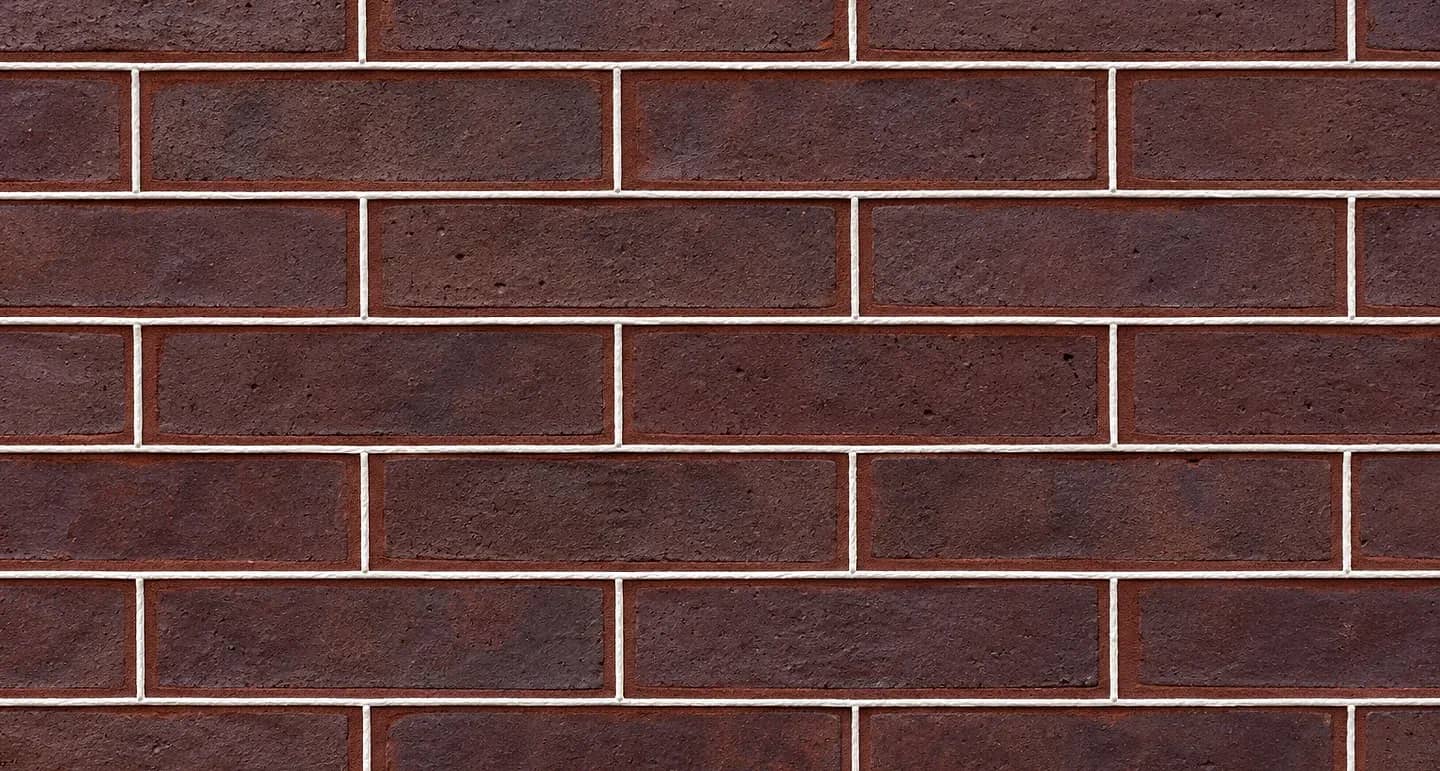
    Yes. Brick pointing, pointing and repointing all mean renewing the mortar joints between the bricks. Tuckpointing is a decorative finish on top of that: the joints are filled in mortar coloured to the brick and a fine raised line is run along each one.

  2. Does a heritage home need council approval for repointing?

    Check your property’s heritage status and your council’s requirements before work starts. State-listed properties may also need Heritage NSW approval or an applicable exemption. The route depends on the property and the proposed work; we can explain the repointing scope for your enquiry.

  3. Can you repoint part of a wall?

    Yes. Repointing only the worst sections is common, and there is no minimum job size. The new joints are matched to the old so the patch does not stand out.

  4. Is repointing messy?

    Raking out old mortar makes dust, so windows, doors, paths and garden beds near the wall should be masked or covered, and the wall cleaned down as the work goes. You can see it in our photos: tape round a window frame in Strathfield, a covered tiled verandah in Earlwood. Ask us how your job will be set up before the work starts.

  5. Why do quotes for the same wall differ, and how do I compare them?

    Quotes can cover different work. One may rake out only the loosest mortar while another takes every joint back to a sound depth, and the mortar mix, how the finish is matched, access and scaffolding, and cleaning down all change the price. Compare quotes on the same area and finish, and ask each what is included and what is not. Any scaffolding your job needs is included in our quote.

  6. How soon can you start, and how long will the work take?

    We start as soon as we can once you accept the quote. As a guide, a small repair, a single lintel or most crack stitching takes a day or two, repointing a brick front fence one to two days, and tuckpointing a single-storey brick front about a week. Larger or higher walls, scaffolding and wet weather add time. Tell us about any renovation deadline when you enquire and your quote will give a realistic start date and duration.

What happens next

From your call to a finished wall.

The inspection and quote are free, and nothing is booked until you’ve said yes to the quote.

  1. Get in touch

    Call us, or send the form with your suburb and a few photos of the wall if you have them. We’ll call you back as soon as we can.

  2. A look at the wall

    We look at your photos, and come out to inspect where the wall needs a closer look.

  3. Your quote

    We explain the work, what the quote covers and the finish you’ll get, so you can decide.

  4. We book the work

    Once you accept, we start as soon as we can and arrange any scaffolding the job needs. Most jobs take from a day or two to about a week, depending on the size of the wall and the weather. You don’t need to be home while we work.

  5. Cleaned down

    Mortar smears and dust are cleaned off the wall as we go, so it’s left clean for you to check against the quote.

Free inspection & quote

Let’s look at those joints.

Tell us about the joints and the suburb, or call to talk it through. A small section or a whole wall: there is no minimum job size.

0402 133 821Monday to Friday, 7am to 5pm · Saturday, 9am to 3pm · Sunday closedastutetp@gmail.com

Sending photos? A whole-wall photo and a close-up of the worn joints help most.

01The whole wall
02A close-up of the joints

Request a free quote

Phone and email are both needed so we can reach you.
Your contact details and suburb
The brickwork

A short description is fine. Tell us what needs attention and where on the property.

A whole-wall photo and a close-up of the problem are useful. Take them from a safe position.

Up to 5 photos · JPG, PNG, WebP, GIF, HEIC, or HEIF · 4 MB total after resizing.