Cracks and openings
Cracks above windows and doors: could the lintel be the cause?
It could be. A rusting steel lintel (the support over the opening) can push on the bricks above it and crack the wall. Movement elsewhere can crack the same spot, so the support, the brickwork and whether the crack is changing all need checking before a repair is chosen.
What the lintel does
A lintel spans a window or door opening and supports the masonry above it. Its material and arrangement depend on the building. Some older openings also have brick arches or other construction details that need consideration.
Where a steel lintel corrodes, expanding rust can push against the surrounding masonry and contribute to cracking. That does not mean every crack around a window is rust-related. Movement elsewhere in the wall and other defects can produce damage in the same area.
Painting the visible edge of a rusty lintel does not show that the concealed steel is sound. The support itself needs checking, not just how the exposed surface looks.
Signs to have assessed
- Cracking over the opening or from its corners
Note whether it follows the joints, passes through bricks or has changed since you first noticed it.
- Rust staining or a deteriorating exposed support
These are useful observations, but the visible edge does not show the condition of the whole lintel.
- Displaced bricks or a change in the opening
Sagging, bulging masonry or a door or window that has begun sticking warrants closer assessment.
A photograph or crack width alone cannot establish whether the wall is safe. If masonry is loose, visibly moving or at risk of falling, keep people clear and seek prompt professional advice. Do not remove bricks or disturb the support to investigate.
Does a stepped crack prove the lintel has failed?
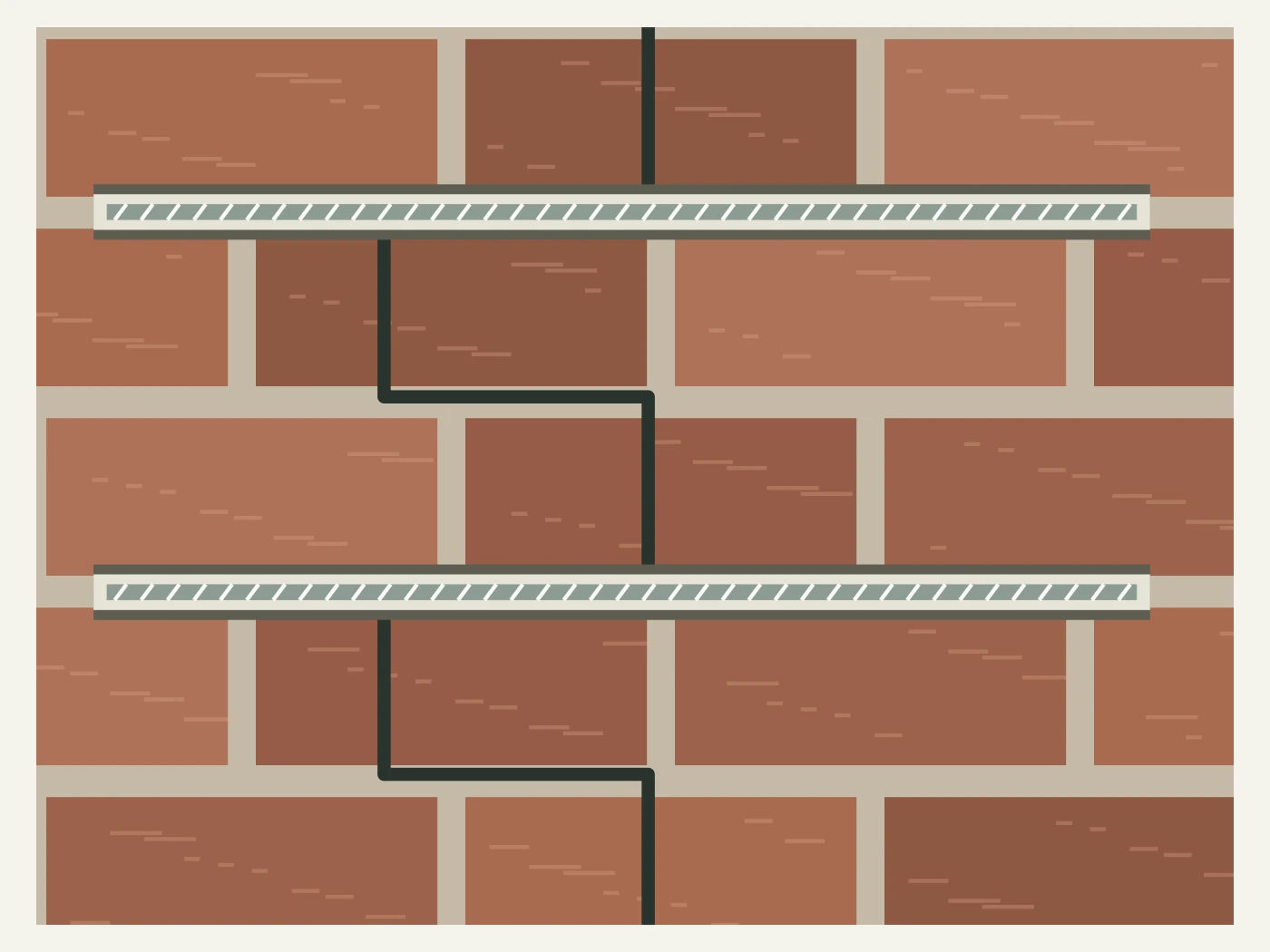
No. Stepped cracks follow the mortar joints, but the pattern alone does not identify the cause. Record whether the crack is above one opening or extends elsewhere, whether it appears inside as well as outside and whether doors or windows have changed. These observations help a professional decide what needs investigation.
Repairing the opening
When we inspect, we look at the support, the surrounding brickwork, the condition of the opening and any moisture adding to the damage. Temporary support and, where needed, engineering advice are part of planning the work.
Rebuilt heads in Hurlstone Park
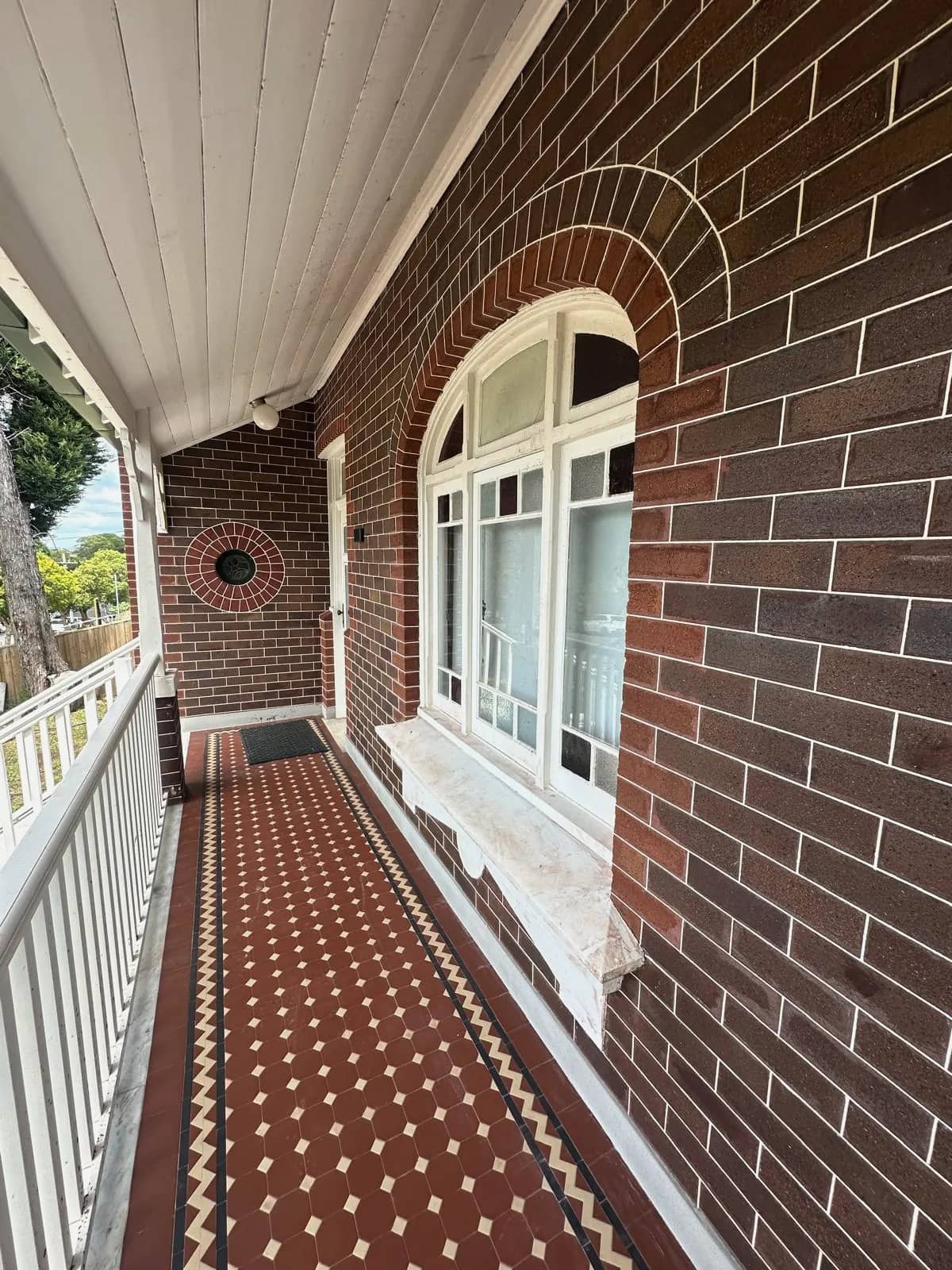
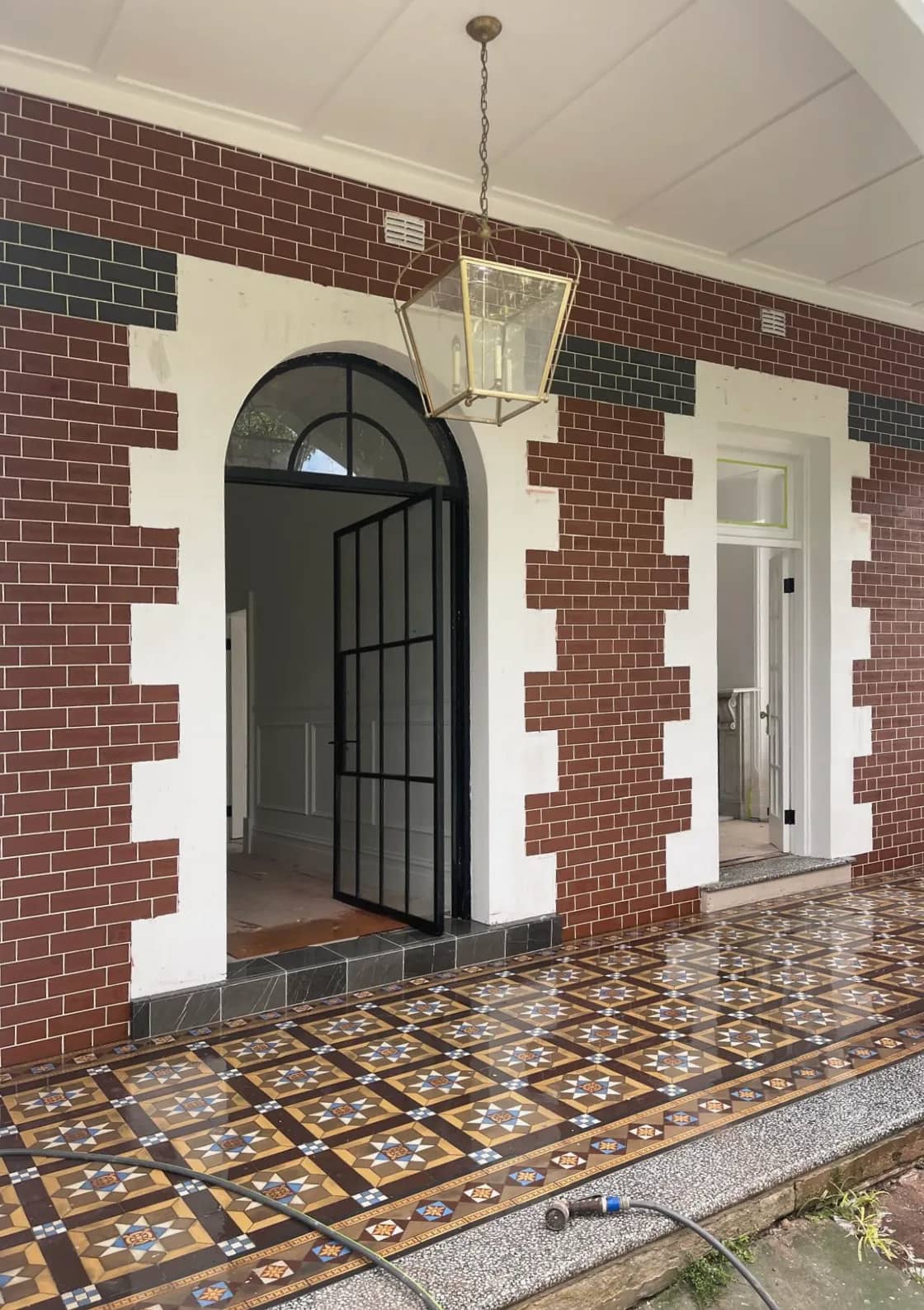
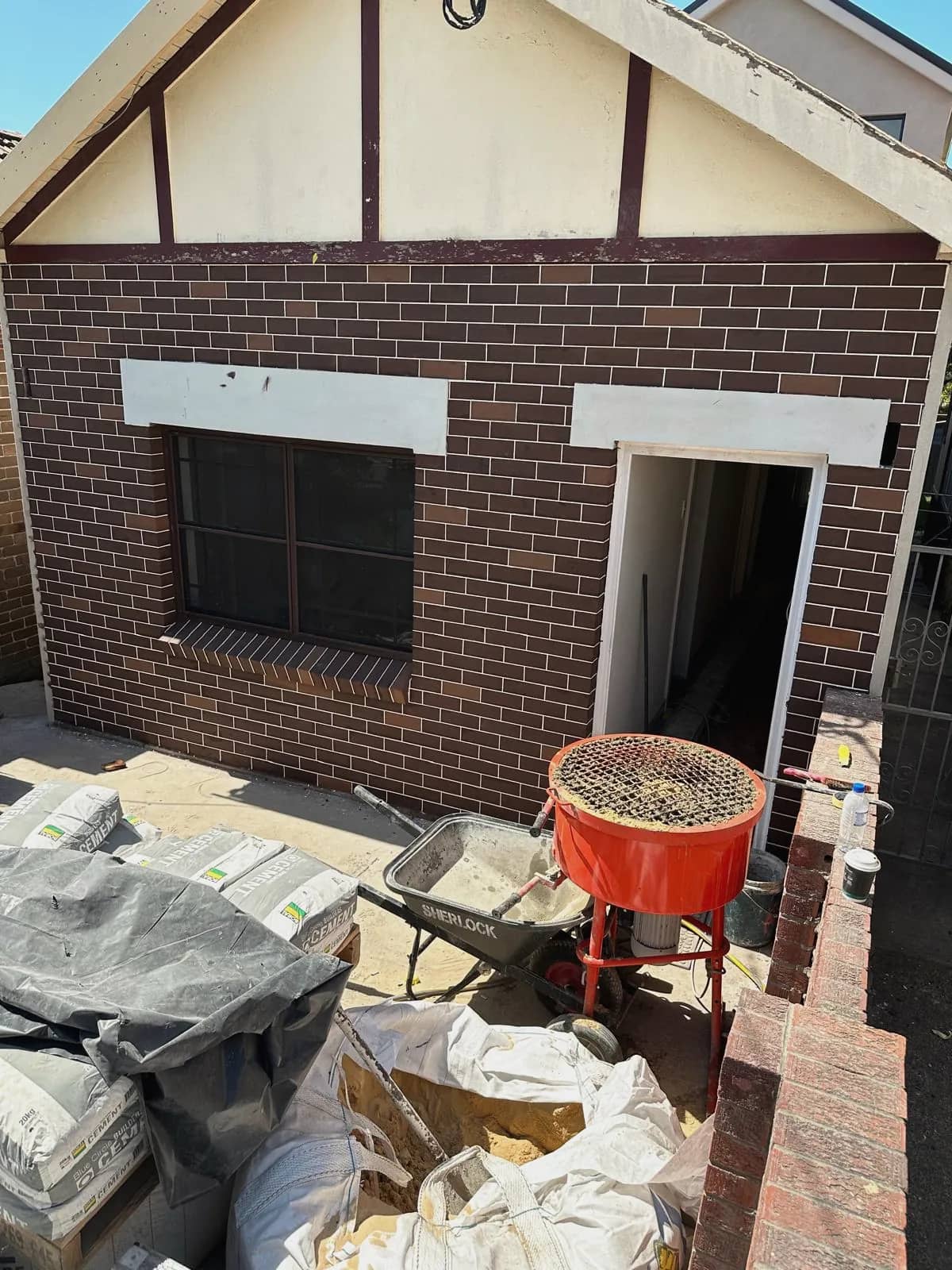
At Hurlstone Park, we rebuilt the brickwork over a window and door and formed new rendered heads. These photographs show that repair; another opening may need a different scope.
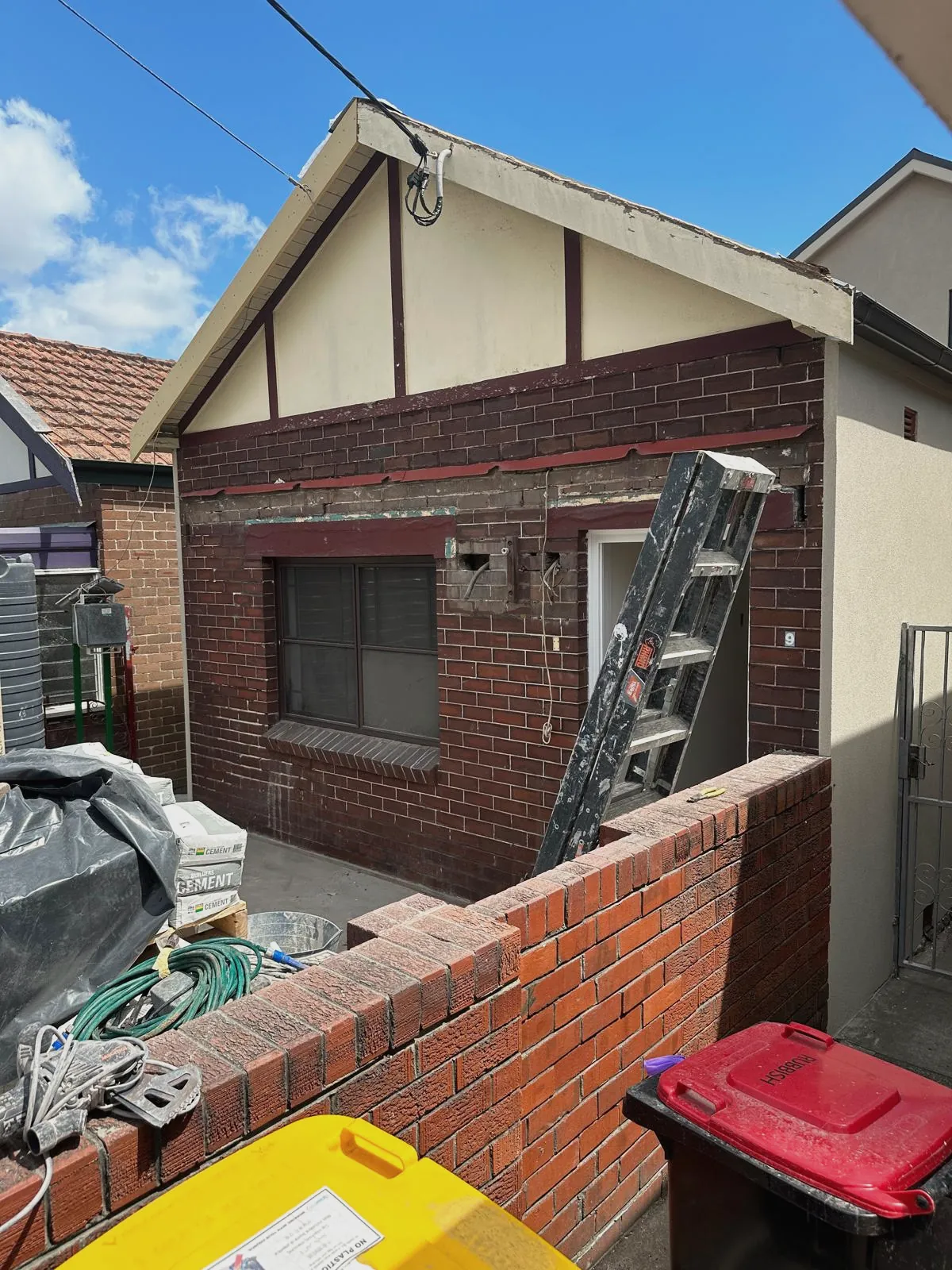
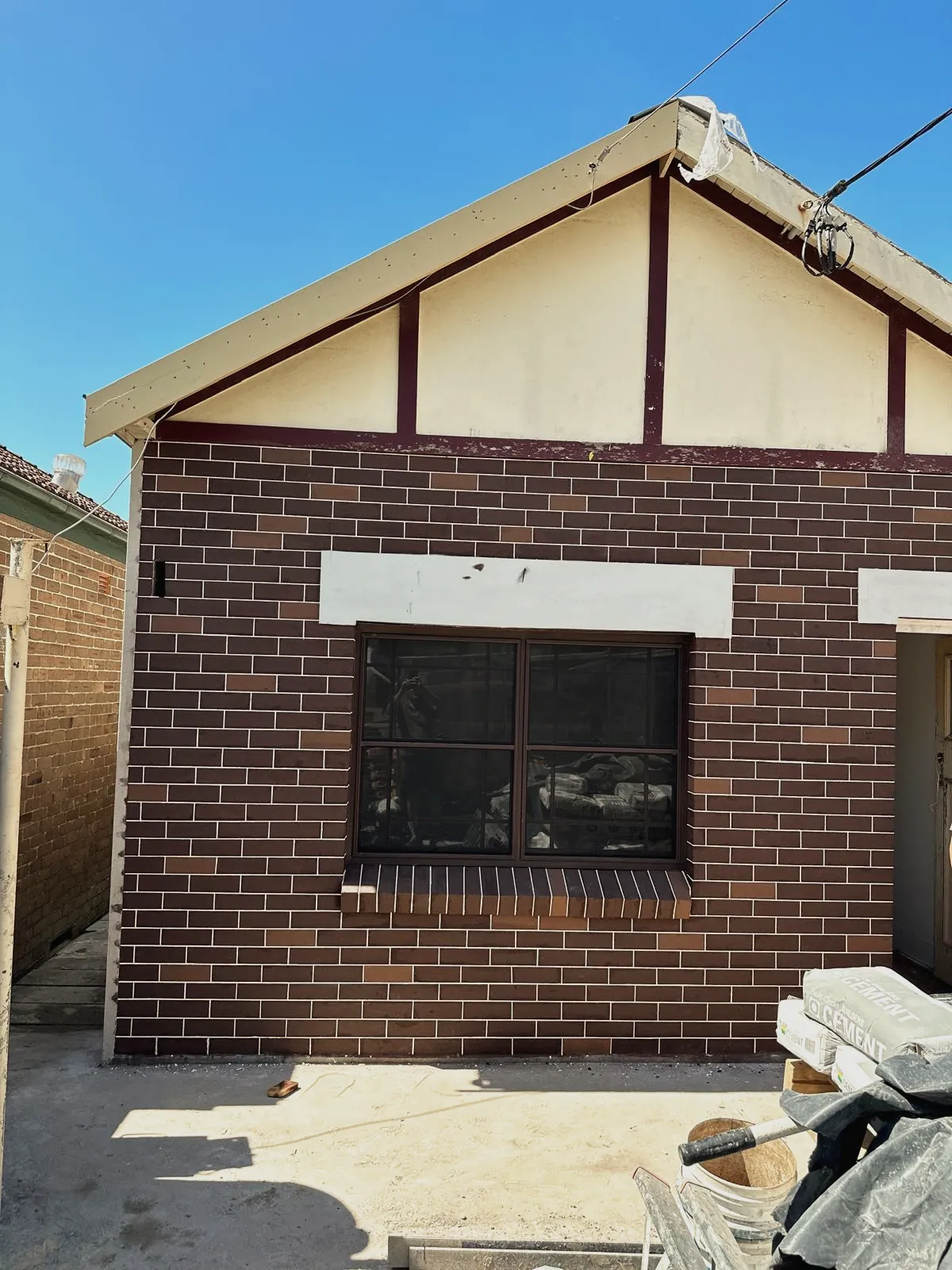
Repointing can renew failed mortar, but it does not replace a failed lintel: that is lintel replacement in Sydney, with the brickwork above rebuilt. Similarly, crack stitching should not be assumed to solve a support problem. Our crack-stitching guide explains the distinction.
Can the crack just be filled?
Filling can tidy the surface, but it does not restore the support. First identify whether the work concerns the lintel, the surrounding masonry, movement elsewhere, or a combination. Where structural adequacy is uncertain, seek a structural engineer’s assessment before a repair is designed.
Does the window have to come out?
Not necessarily. It depends on the opening, the frame, access and the repair required. We confirm whether the frame can stay when we inspect, rather than promise it from a photo.
Discuss protection of adjoining surfaces and how disturbed brickwork, render or decorative details will be made good. Replacement materials can differ from weathered originals, so the matching approach belongs in the scope too.
Planning the assessment
Tell us where the cracks are, when they appeared, whether they are changing and whether the opening still operates as it did before. Include any earlier repair details or an existing engineer’s report.
Ask what is included in the proposed work: the support, associated masonry repairs, access, making good and any further investigation. These factors explain why two window repairs can require different quotes.
Our lintel repairs and brick repairs pages describe how we do the work. For an older property, also check heritage requirements before arranging changes to the opening.
Sources and further reading
Galvanizers Association of Australia: steel lintels and corrosion provides background on corrosion-related damage. The Hurlstone Park photographs are Astute’s own work.
Source checked 28 October 2026. Repair design and any engineering requirements depend on the individual building.