Understanding damage
Cracks in brick walls: when to worry and how they’re repaired
Fine cracks that follow the mortar and don’t change are common, and are often normal movement rather than a structural fault. Cracks that are widening, run through the bricks, sit over a window or door, or come with bulging brickwork or sticking doors need their cause found before any repair is chosen.
Where the crack runs
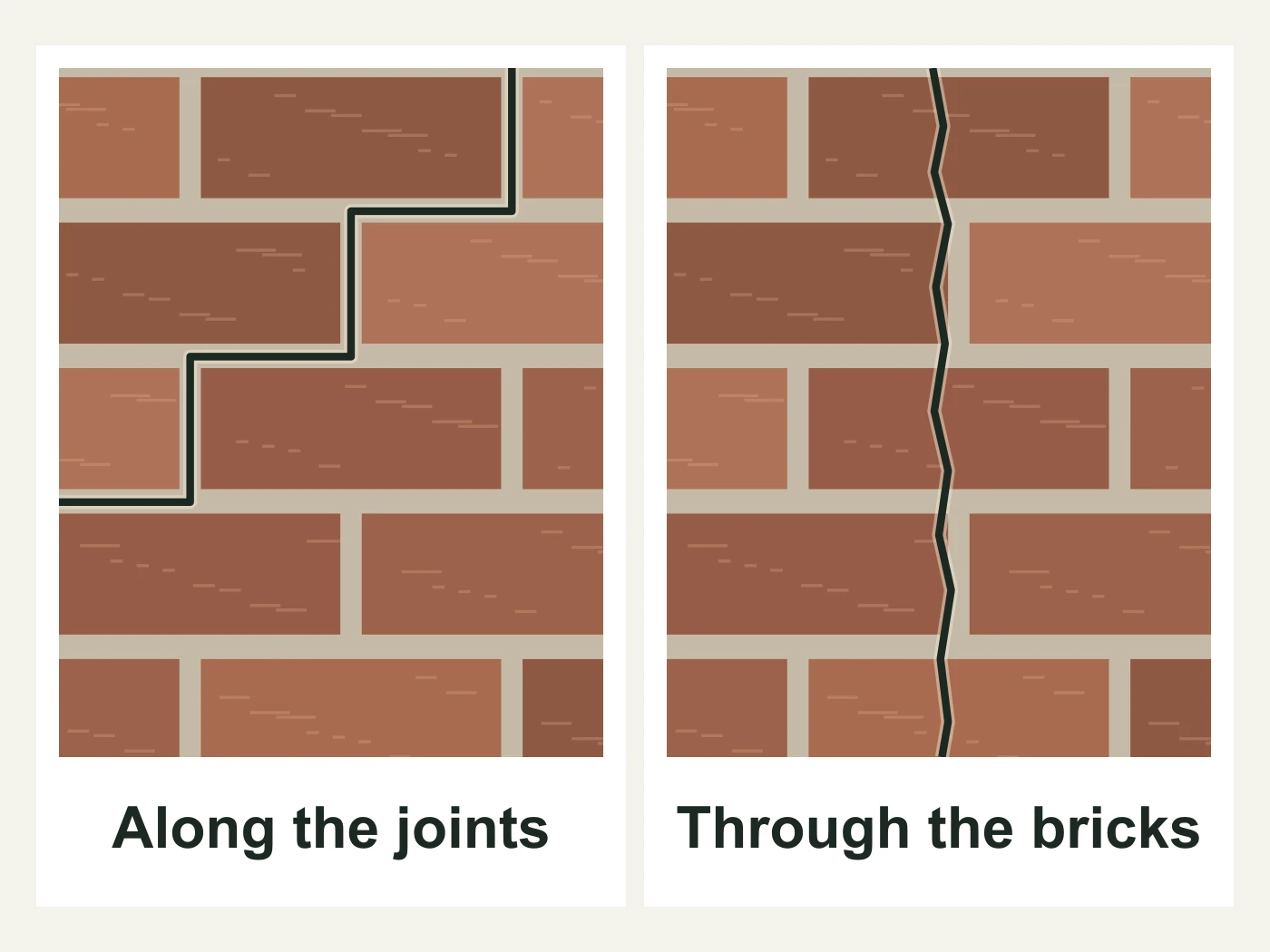
The drawing shows the two shapes most people notice. A crack can step down the mortar joints, or it can run straight through the bricks. Where it runs, where it sits on the wall and whether it is changing tell you more than the crack on its own.
- Stepping along the mortar joints
A staircase pattern through the joints is common in older brickwork, because the mortar is usually the weakest part of the wall. It shows where the wall has moved, not why. Fine, stable cracks in worn joints are often a repointing job; a stepped crack that is widening needs its cause found first.
- Straight through the bricks
When bricks themselves have split, the wall has been under more force than the mortar could give way to. These cracks need a closer look before any repair is chosen.
- Above a window or door
Cracks over an opening or running from its corners can point to the support over the opening. Our guide to cracks above windows and doors covers lintels in detail.
- Where old work meets new
A crack where an extension, garage or later wall joins the original house often marks two parts of the building moving differently.
- Long, straight horizontal cracks
A horizontal crack along a bed joint, especially with the wall leaning or bulging, should be assessed promptly.
How wide is too wide?
Width helps, but it is not a diagnosis. Victoria’s building regulator gives a useful rule of thumb for cracks caused by footing movement:
- Under 1 mm: generally part of the normal movement a house can experience.
- Between 1 mm and 5 mm: monitor through all weather over a full year.
- Over 5 mm: significant and outside the tolerances for footing movement, so the cause should be investigated by a civil or structural engineer.
The same guidance notes that foundation movement can also show up as bulging walls, and windows and doors that stick or distort. A narrow crack that keeps growing matters more than a wider one that has not changed in years, so the change over time is the thing to watch.
What causes cracks in brick walls
Most cracks come from movement, and the useful question is what is moving the wall. Common causes include:
- Ground moisture changes. Clay soils shrink as they dry and swell when they get wet. Leaking pipes, gutters or taps, garden beds against the house and poor drainage can all change the moisture under one part of the footings.
- Trees close to the house. Roots draw moisture from the soil and can grow under footings.
- A failing support over an opening. A rusting steel lintel can push on the bricks above it as it corrodes.
- Different parts of the building moving differently. Additions on separate footings, or later walls tied into older ones, can crack where they meet.
- Worn or unsuitable mortar. Old joints that have weathered away, or hard repairs on a soft wall, can leave the brickwork less able to take normal movement.
Some of these can be fixed around the house: repair leaks promptly, slope paths and garden beds away from the walls and keep drainage clear. Others need the wall itself repaired, and some need an engineer first.
Which repair suits which crack
Filling a crack only hides it if the cause is still active. The repair should follow what the wall needs:
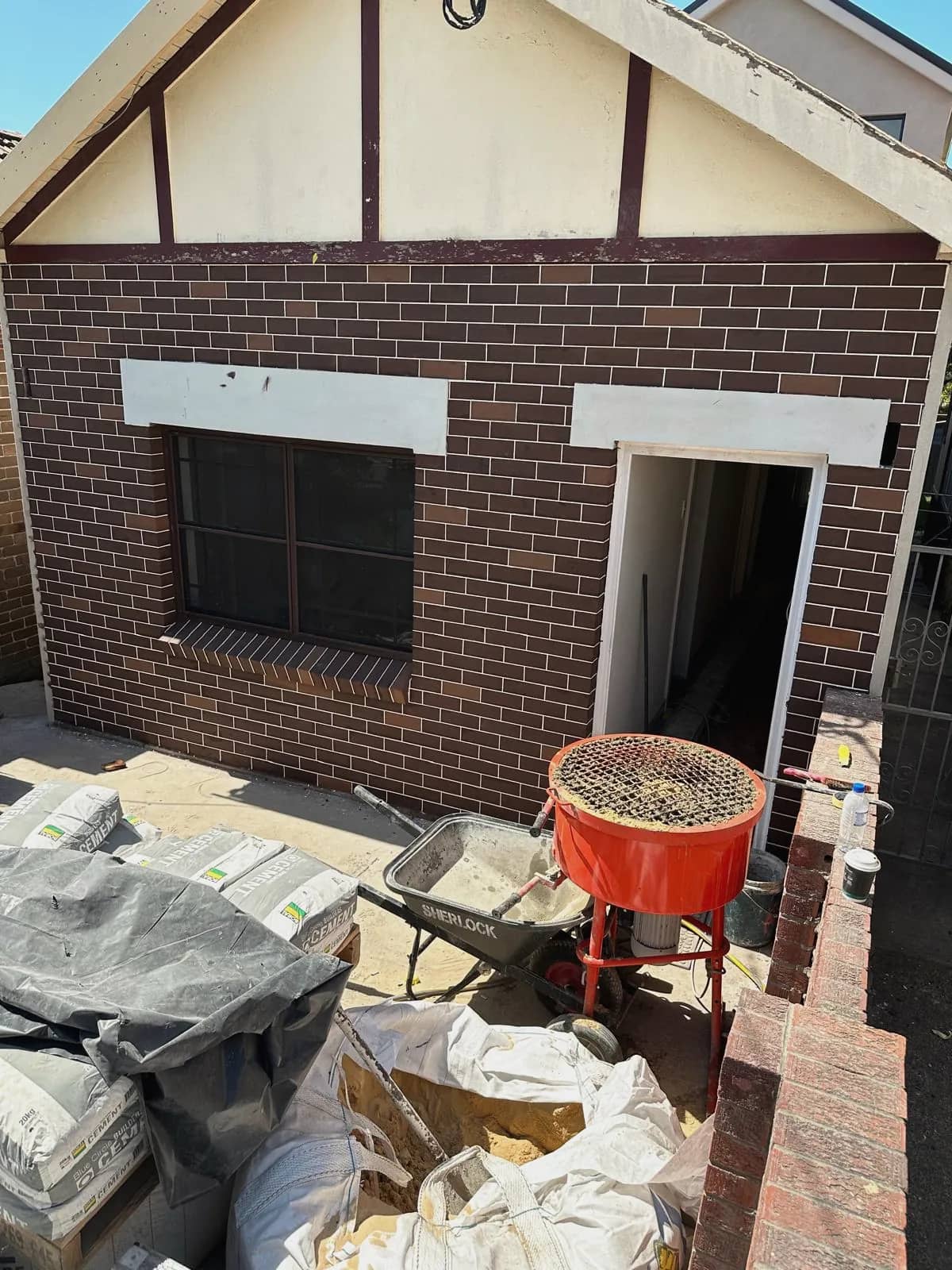
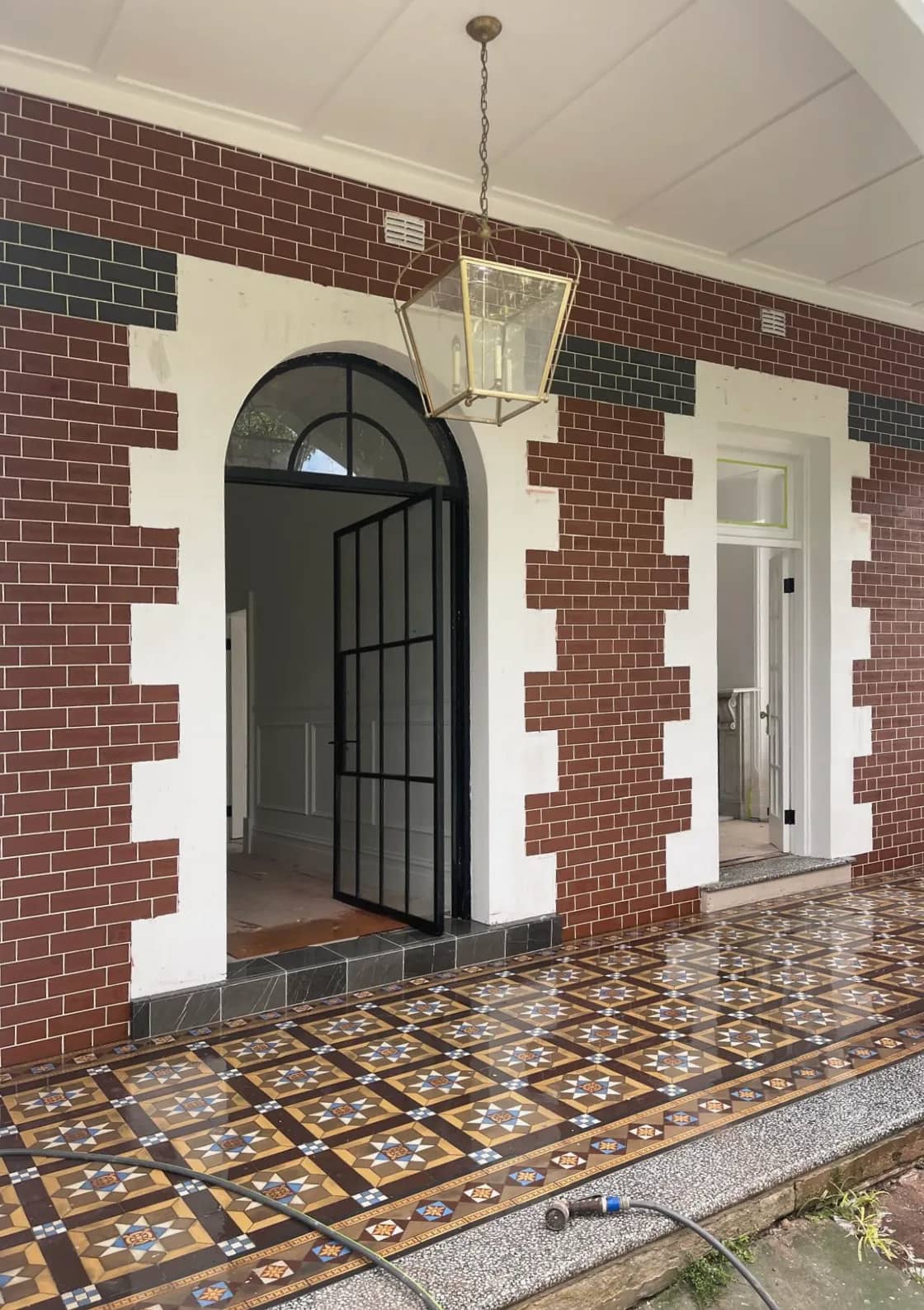
- Cracked or eroded mortar in a stable wall: brick repointing renews the joints, finished to match the rest of the wall.
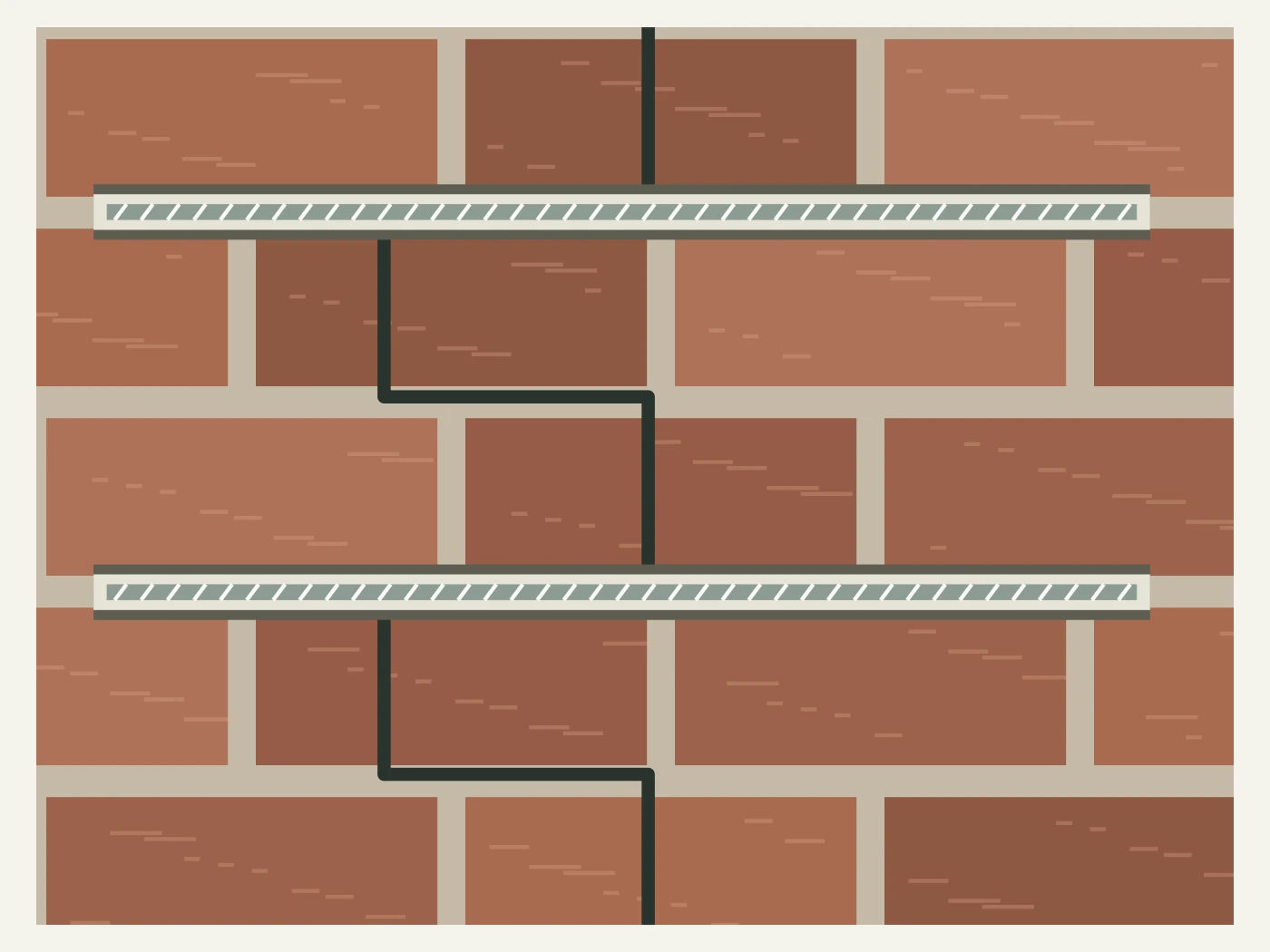
- A crack through sound brickwork once the cause is known: crack stitching sets bars into the joints across the crack. Our guide to when crack stitching works explains where it does and doesn’t suit.
- Split, loose or displaced bricks: brick repairs replace damaged bricks or rebuild the affected section.
- Cracks over a window or door: lintel repairs deal with the support and the brickwork above it together.
- Cracks that are wide, still growing or come with bulging walls or sticking doors: an engineer’s assessment first, so the repair is designed around the cause.
As a guide, crack stitching typically costs $150–$350 per metre of crack and replacing a steel lintel over a standard window $1,200–$3,000 for the job, GST included. Most crack stitching and single lintels take a day or two. An engineer’s assessment, if the wall needs one, is separate.
Before we quote, we check whether the wall is still moving, whether a support has failed and whether an engineer should look at it first.
What to record before you call
- Photos of the whole wall and a close-up of the crack, with a ruler or tape measure beside it.
- A light pencil mark at each end of the crack with the date, so you can tell if it grows.
- Whether the crack shows inside as well as outside.
- Any doors or windows that have started to stick.
- Recent leaks, plumbing work, new trees or digging near the wall.
- Any earlier repairs, and an engineer’s report if you have one.
Take the photos again after a few months and after a long dry or wet spell. A dated record is far more useful to an engineer or tradesperson than a single photo.
When to keep clear
If brickwork is loose, bulging, leaning or visibly moving, keep people away from it and get professional advice promptly. Don’t remove bricks or open up the crack to investigate.
For a crack you’d like looked at, our crack stitching service in Sydney starts with a free inspection and quote, with no minimum job size. Send the photos and notes above through the quote form below to start the conversation.
Sources and further reading
Building and Plumbing Commission (Victoria): minimising foundation movement and damage to your house. This is Victorian homeowner guidance on footing movement; it is a rule of thumb, not an assessment of your wall.
Sources checked 10 November 2026.