Stains and moisture
White powder on brickwork: why does it keep coming back?
Often it’s efflorescence: salt left behind as water dries out of the brickwork. Cleaning removes what you can see, but while moisture keeps carrying salt through the wall, it comes back. Find where the water is coming from before choosing a treatment.
What the white deposit might be
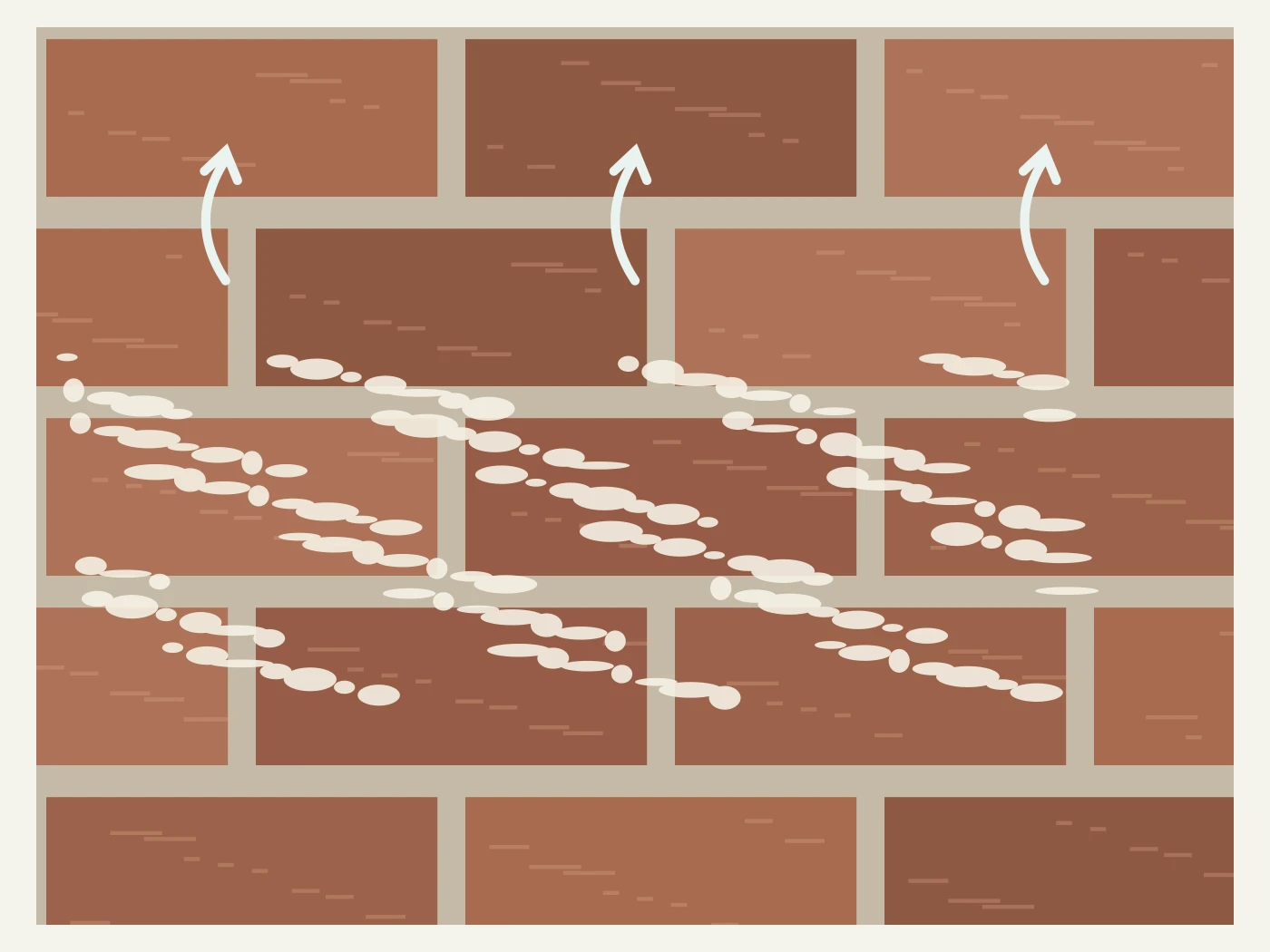
Efflorescence forms when dissolved salts travel with moisture and are left behind as water evaporates. It often appears as a pale powder or bloom on brick or mortar.
A white mark is not always the same kind of deposit. Paint residue, mortar smears and other staining can look pale too. A cleaning method that suits one can fail on, or damage, another.
The picture shows the basic process: moisture carries salts to the surface, then evaporates. The location of the white mark is not necessarily where water first entered the wall.
Why it returns after cleaning
Removing a deposit changes what you can see. If salts and moisture continue moving through the masonry, another deposit can form.
A temporary bloom
Some surface deposits occur as construction moisture dries out. Their presence alone does not establish a major defect.
A recurring pattern
Deposits that repeatedly return in the same area deserve a closer look at moisture and the condition of the wall. Note whether they follow rain or appear beside gutters, openings or the base of the building.
These observations help us when we inspect; they do not prove that a particular pipe, flashing or damp-proof course has failed. Adding more water while cleaning can also dissolve salts and leave a new deposit when the wall dries.
Can you brush it off or pressure-wash it?
Loose surface salts can sometimes come off with gentle dry brushing on sound, uncoated brickwork. Check the brick manufacturer’s care advice first. If the brick or mortar is flaking, or you cannot identify the deposit, leave the surface undisturbed and arrange advice.
Do not treat recurring deposits as a reason to increase the pressure or reach for acid. Those methods can damage a surface or push more moisture into the wall. Removing a deposit and resolving its cause are separate jobs; a trial on a small area shows what suits the particular brick and mortar.
When the wall needs more than cleaning
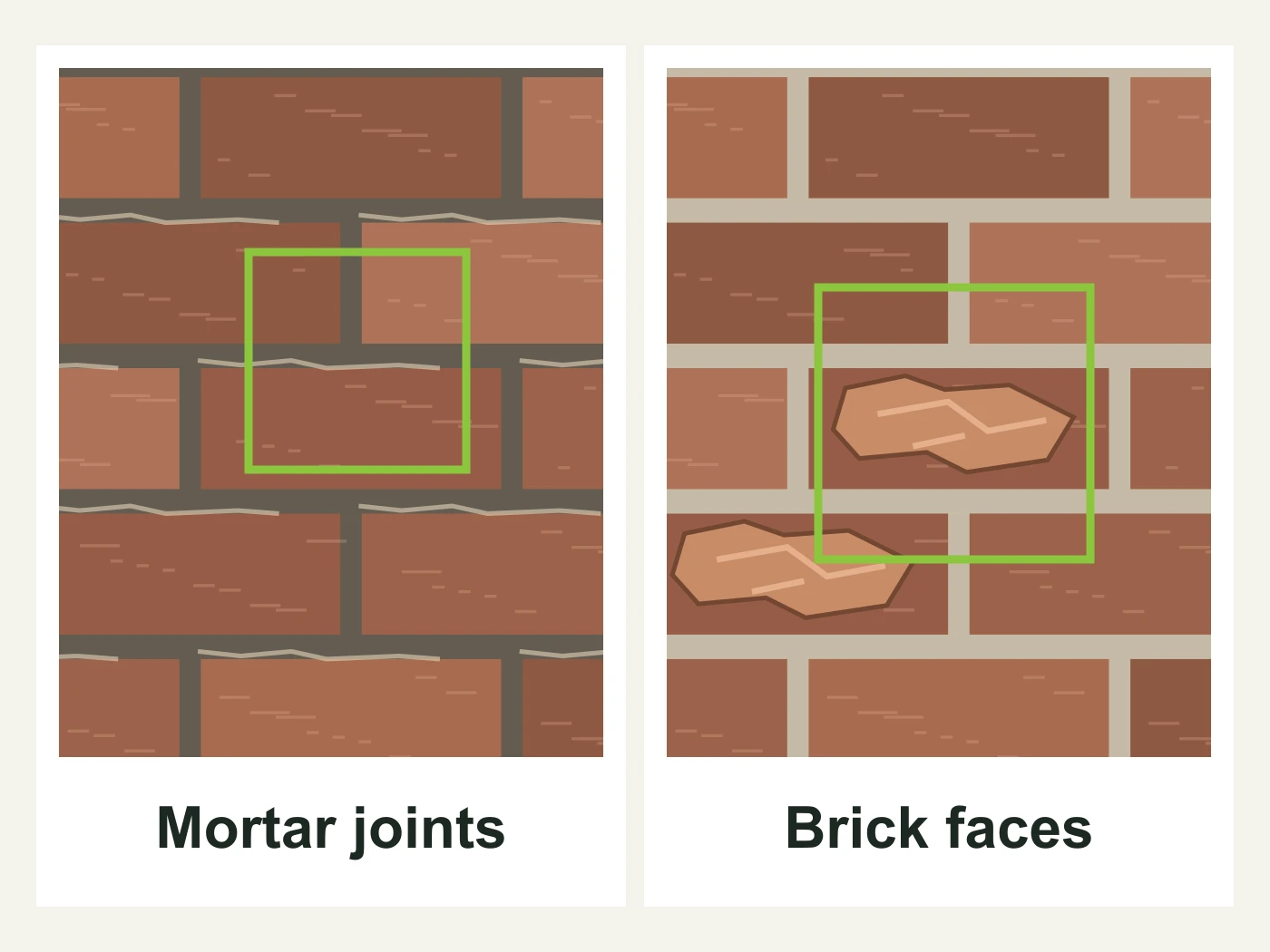
Surface efflorescence and damaging salt activity within masonry are not the same thing. If the brick faces are flaking, mortar is breaking down or the area stays damp, the condition of the materials needs attention as well as the appearance.
Our crumbling bricks and mortar guide explains the different kinds of visible damage. Where joints have deteriorated, we can renew them, but repointing is not a universal treatment for damp.
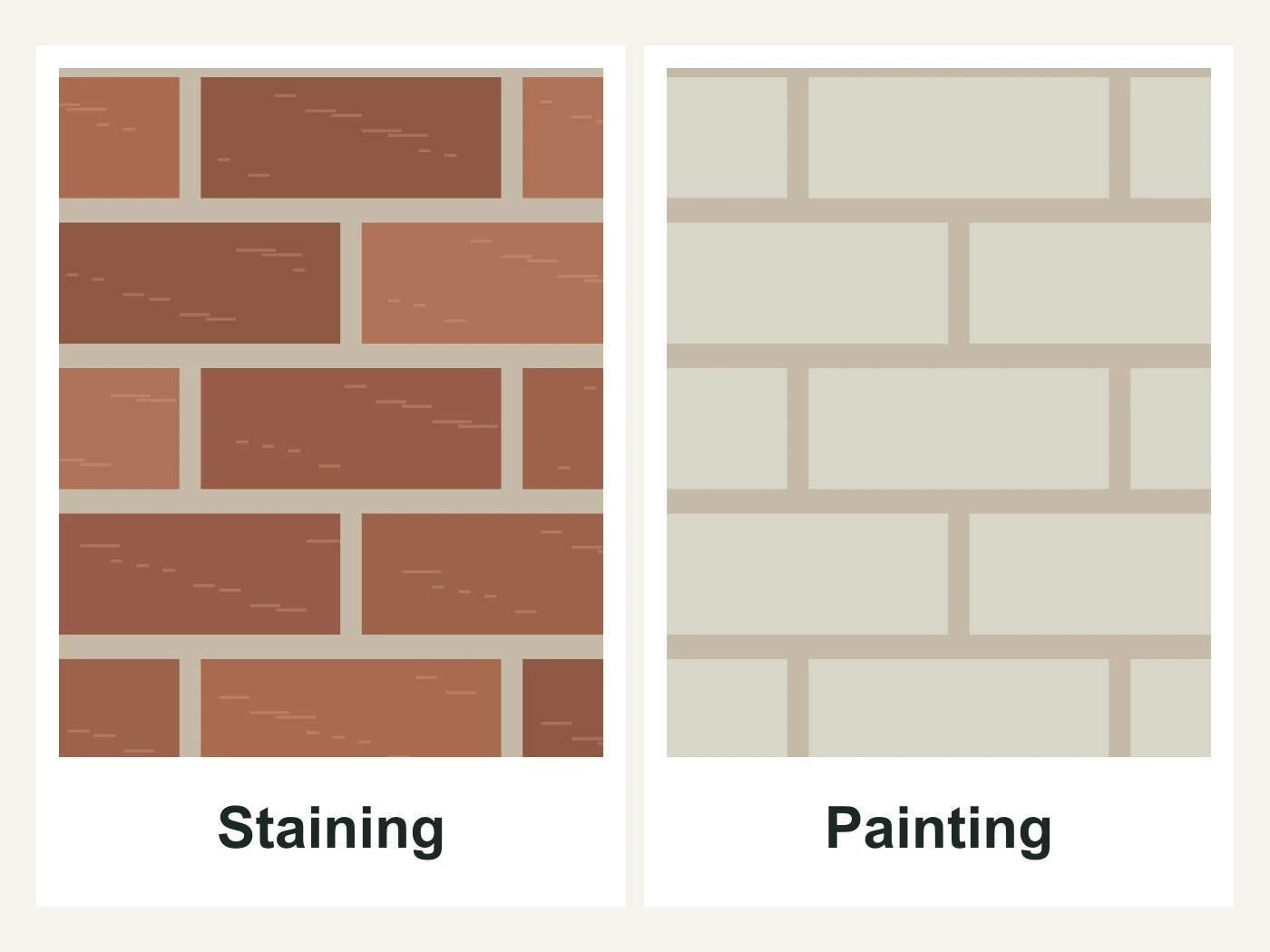
Avoid assuming that paint or a sealer will solve the cause. Covering the mark can hide a recurring problem and alter how the wall dries. Any proposed treatment should suit the masonry and the diagnosed condition.
Does white powder always mean rising damp?
No. Rain penetration, leaks and moisture left from construction are among the possibilities. The deposit alone does not distinguish them. Note where and when it appears, whether it follows wet weather and whether nearby materials are deteriorating. A damp diagnosis needs more than the colour of a stain.
What to do before treating it
- Take a wide photo and a close view without scraping or disturbing fragile material.
- Note when the deposit appears, whether the wall is wet and whether it returns after rain.
- Record previous cleaning, acid treatments, paint or sealers.
- Point out nearby leaks or damp indoors, if present.
Do not assume a stronger chemical or higher pressure is the next step. The brick, mortar, deposit and earlier treatments determine which method is suitable. Checking the wall and trying a small area first shows what can be removed without unacceptable damage.
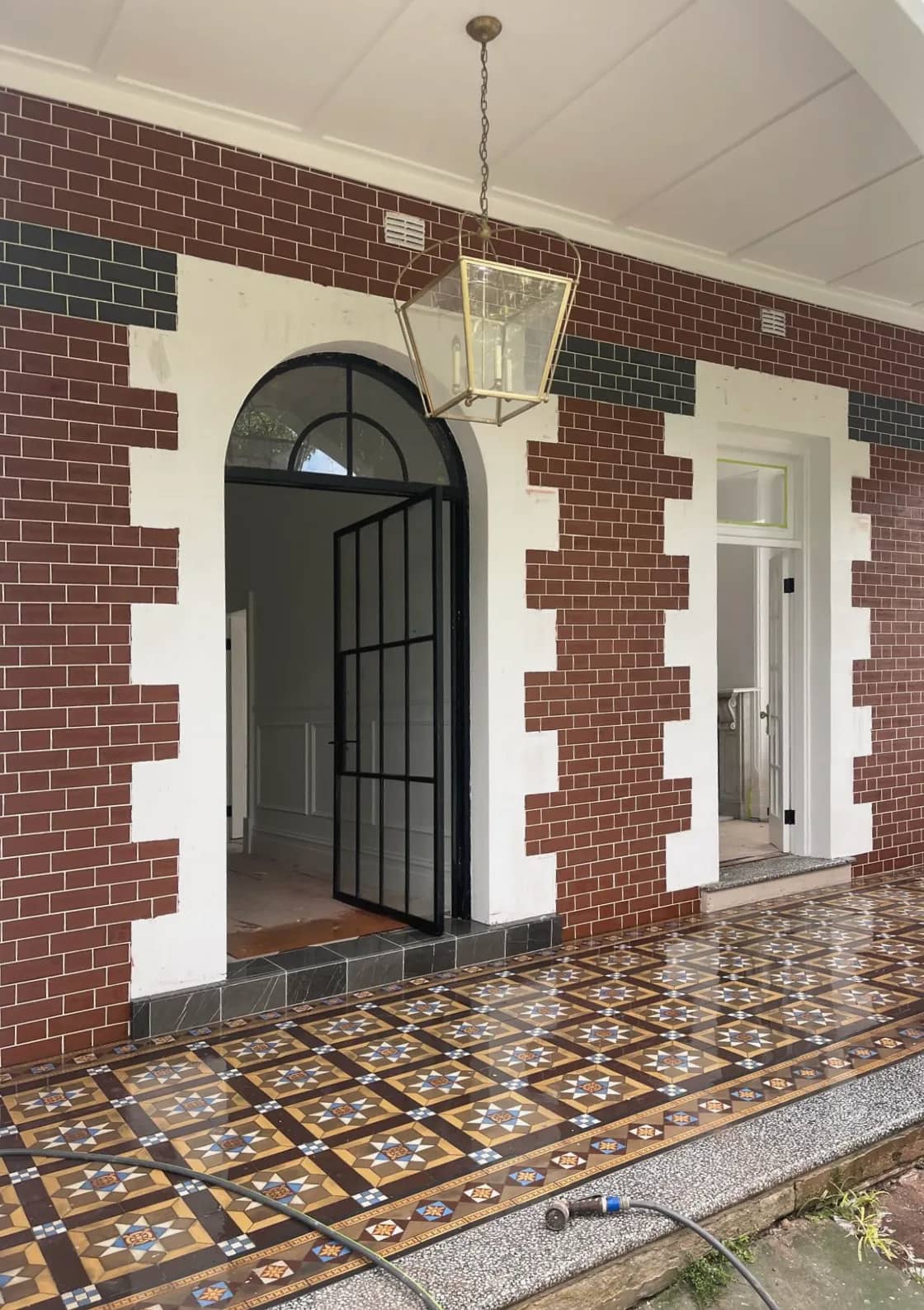
We do brick cleaning, and we can look at any joint or brick repairs at the same time. If the moisture source needs a different specialist, that needs resolving alongside the surface work. Colour blending or painting should be considered only after the wall is suitable for a finish.
Sources and further reading
PGH Bricks: efflorescence and brickwork FAQs; Heritage NSW: salt attack and rising damp (PDF); Dulux: efflorescence and coating problems.
Sources checked 28 October 2026.